Guest Lecture by Prof. Ivana Radic Milosavljevic (University of Belgrade)
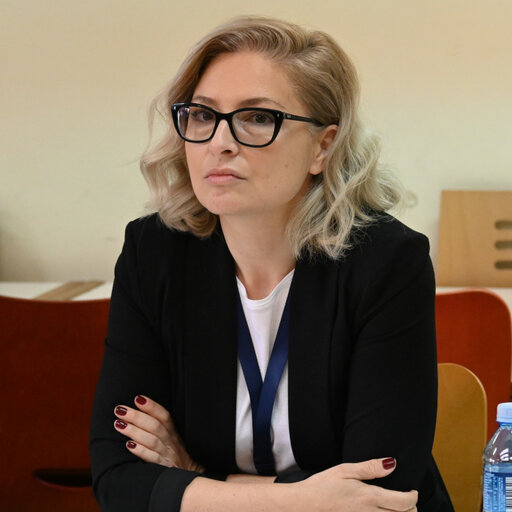
As part of the seminar ‘Enlargement of the European Union and its global competitors’, Prof. Ivana Radic Milosavljevic from the University of Belgrade was invited to give a guest lecture on Global Competetions in Western Balkans.
Guest Lecture by Prof. Dr. Özlem Tür (Middle East Technical University)
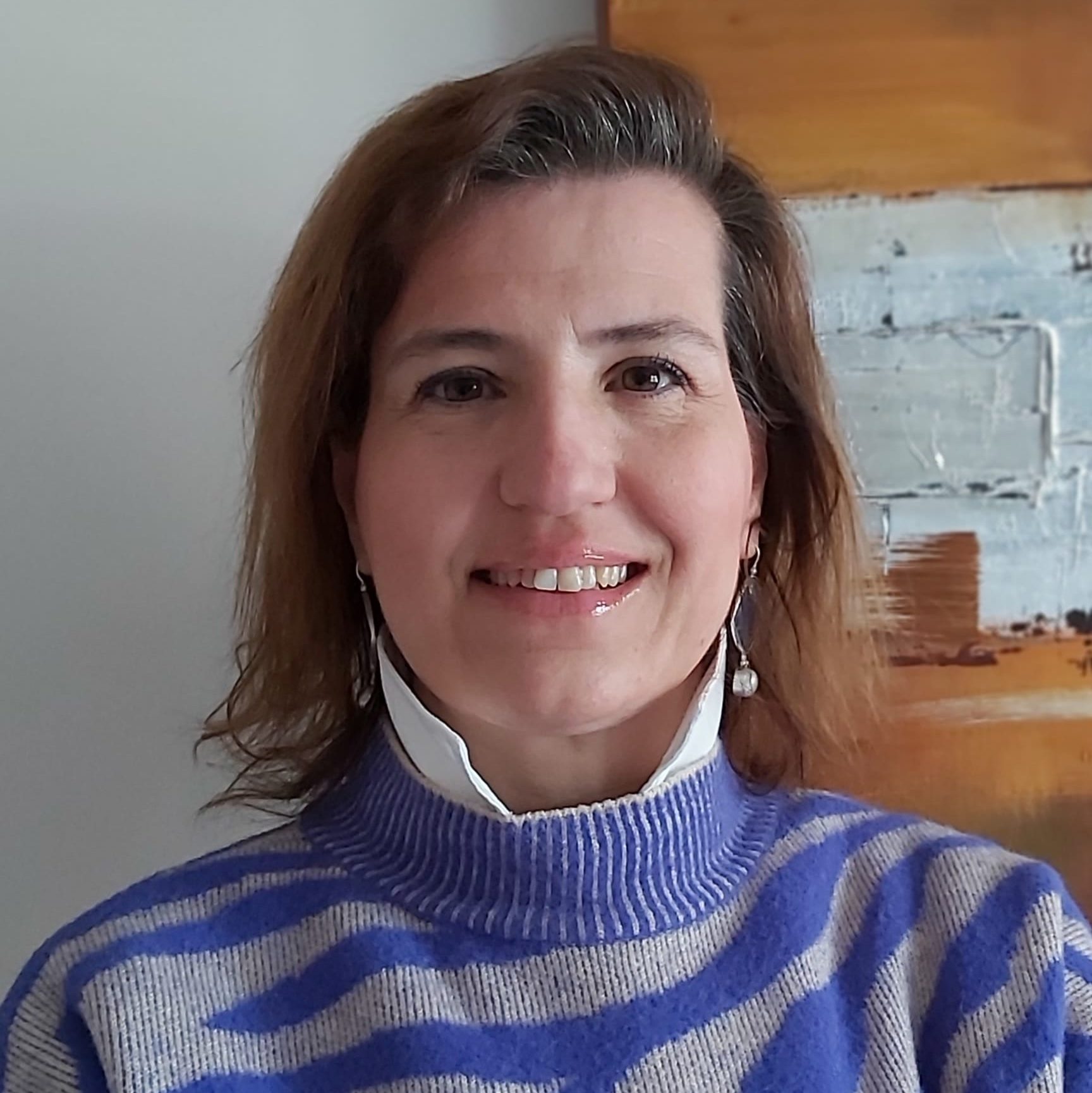
Prof. Dr. Özlem Tür from the Middle East Technical University was invited to give her input on the struggles in Palestine, Iran and Syria, as well es the EU’s Involvement in these conflicts.
Guest Lecture by Prof. Kornely K. Kakachia (Ivane Javakhishvili Tbilisi State University)
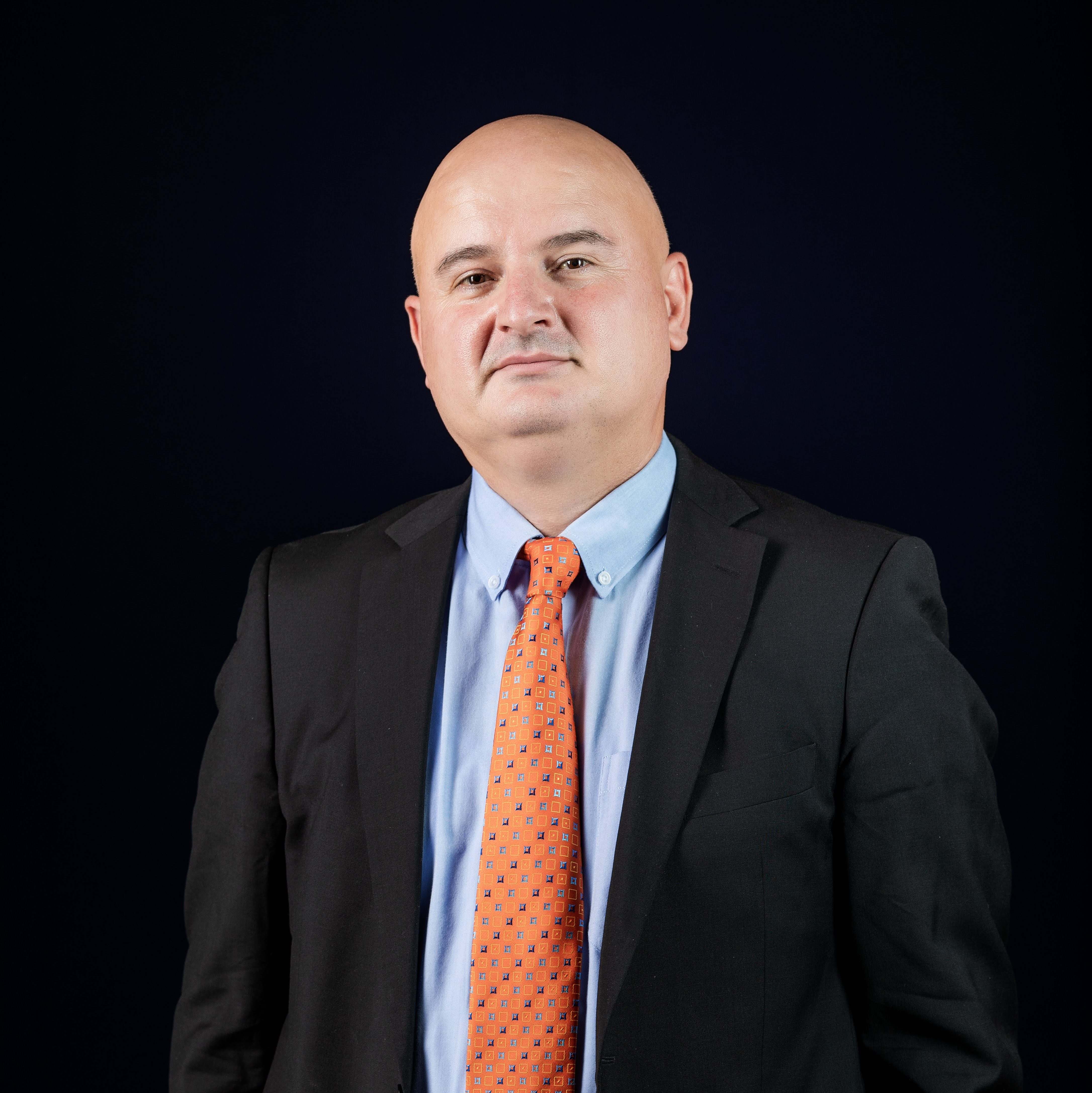
In his guest lecture for the seminar ‘Enlargement of the European Union and its global competitors’, Prof. Kornely K. Kakachia from the Ivane Javakhishvili Tsibili State University tackled the question whether small states can reshape their regional identities by focusing on Georgia’s cognitive dissonance between South Caucasus and Eastern Europe.
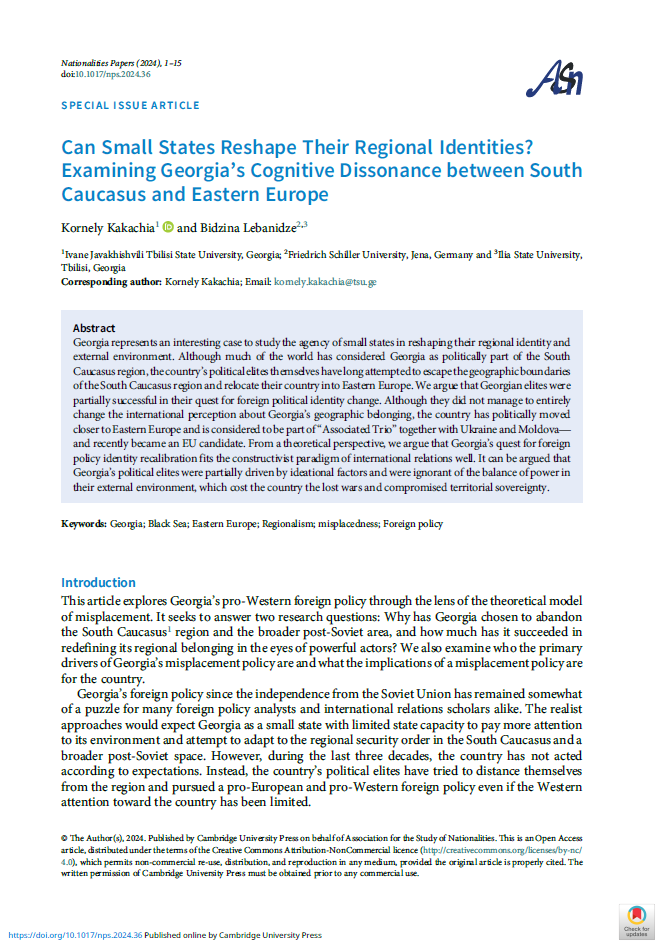
Students prepared for the session by reading his article on the same topic.
Guest Lecture by Dr. Daria Isachenko (Stiftung Wissenschaft und Politik)
October 2025
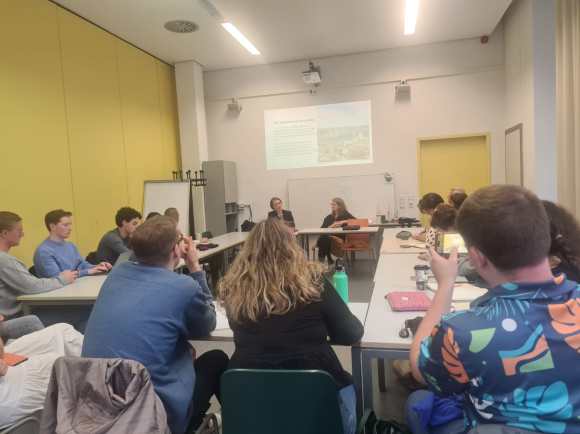
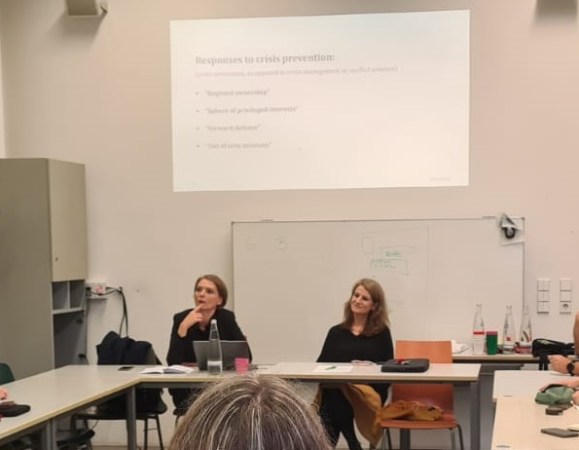
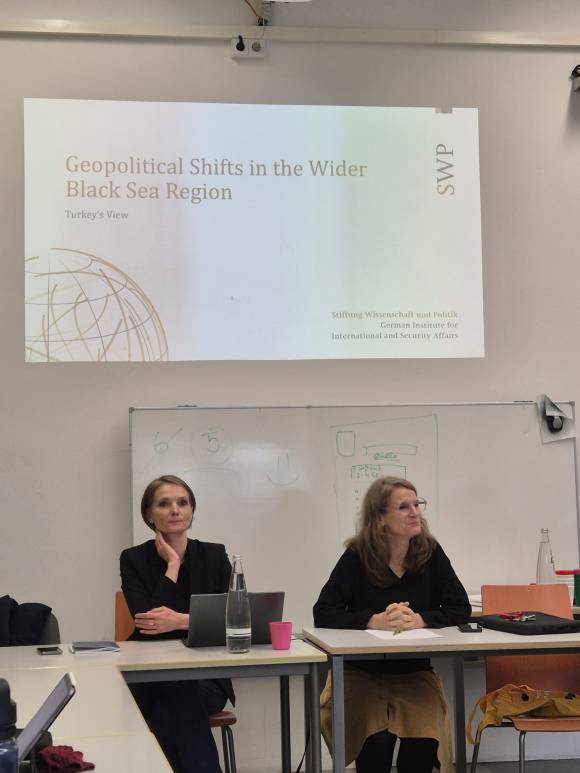
We started the winter semester with a kick-off event featuring Dr. Daria Isachenko from the SWP on the topic of ‘Geopolitical Shifts in the wider Black Sea Region’!
Daria provided a comprehensive insight into the current political situation and history of the region before opening the floor for questions, with students contributing to a fruitful discussion through their insightful inquiries.
It is always a pleasure to welcome Daria at the institute and I’m looking forward to the next opportunity.
Displacement, Justice, and Governance in the New Syria: Perspectives from Within and Beyond
11 June 2025
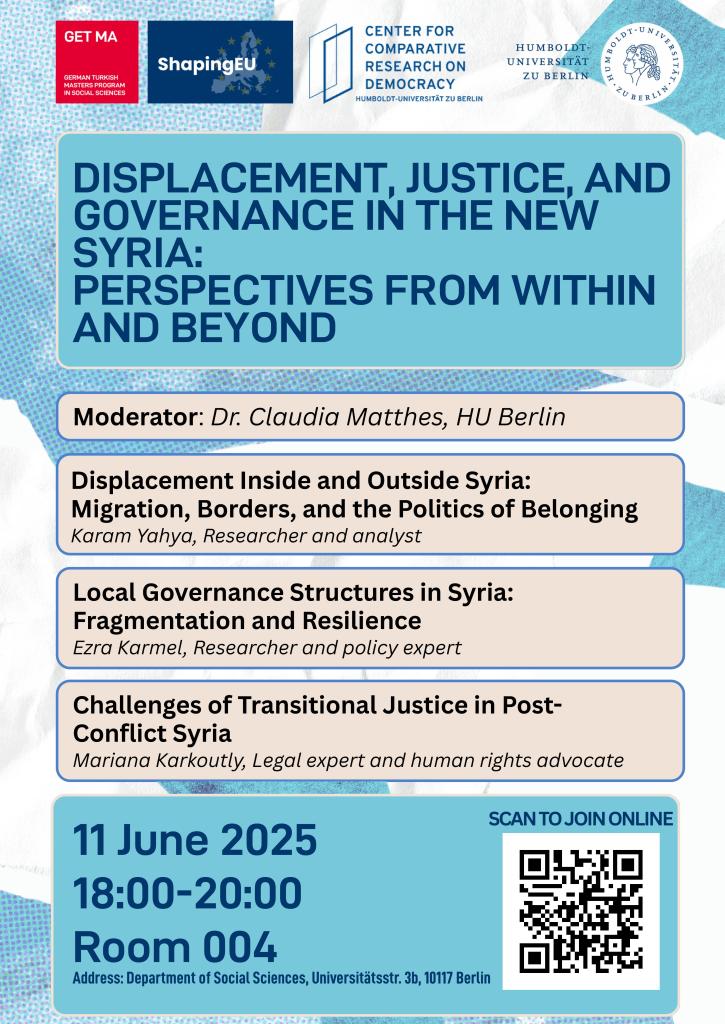
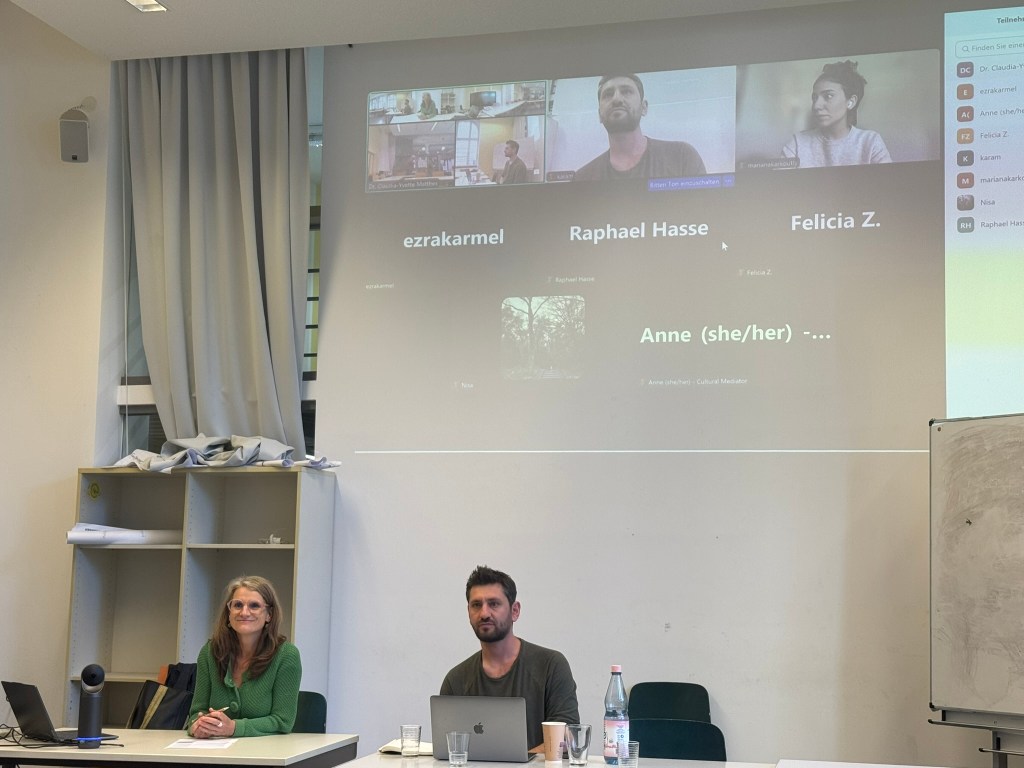
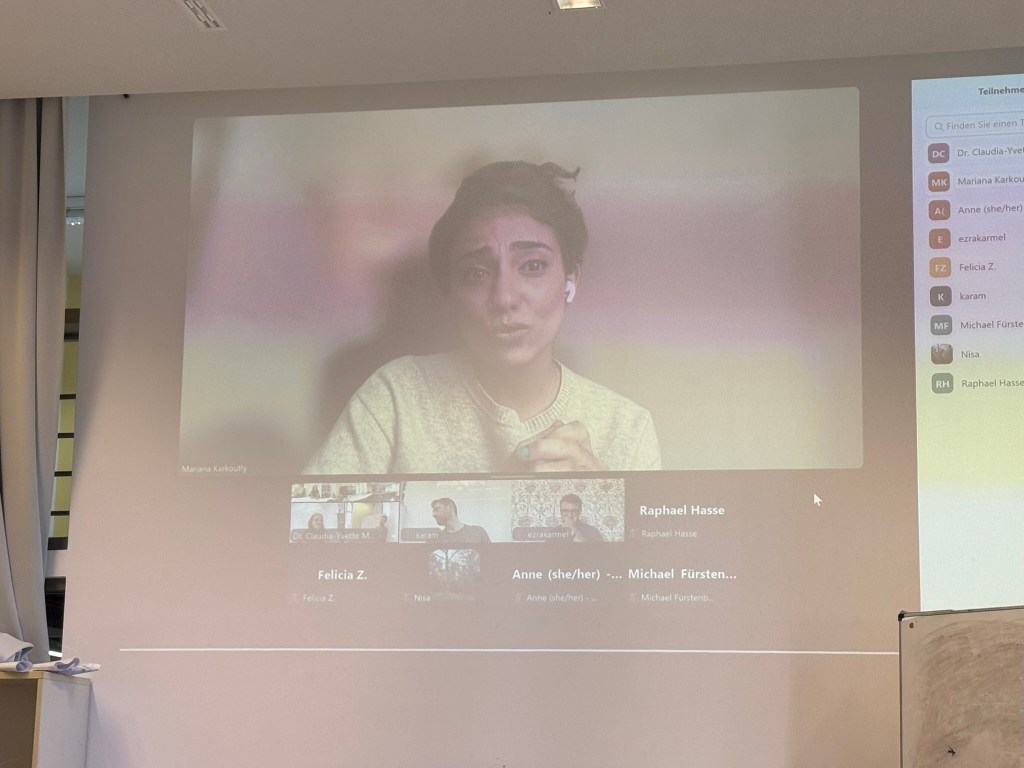
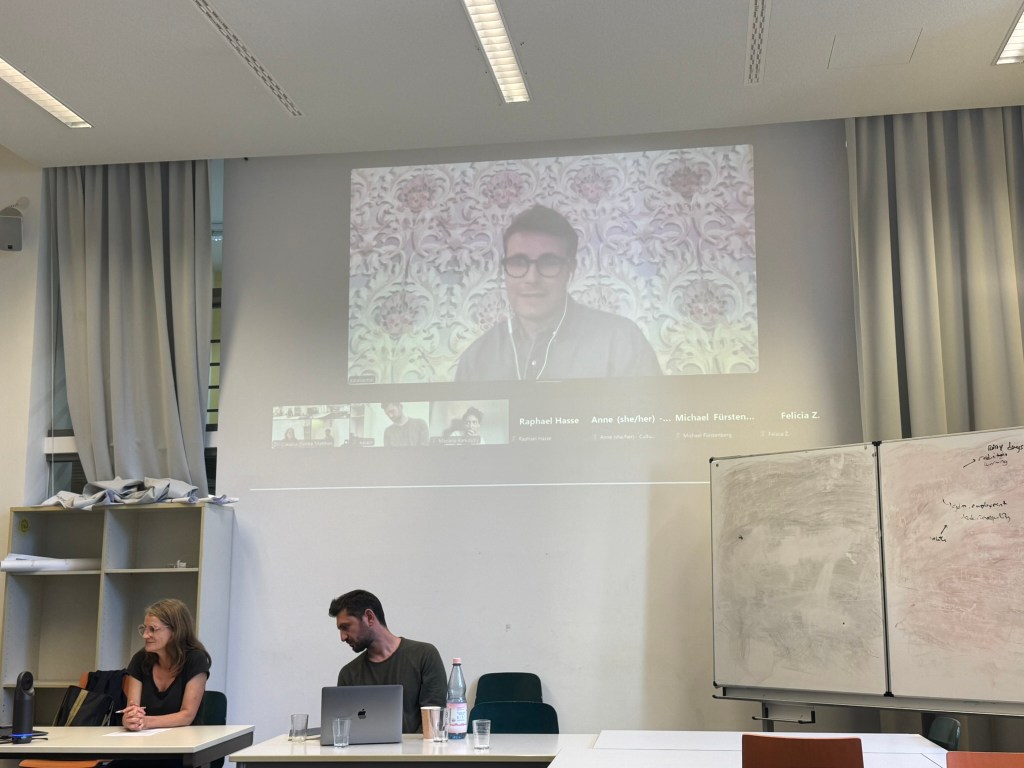
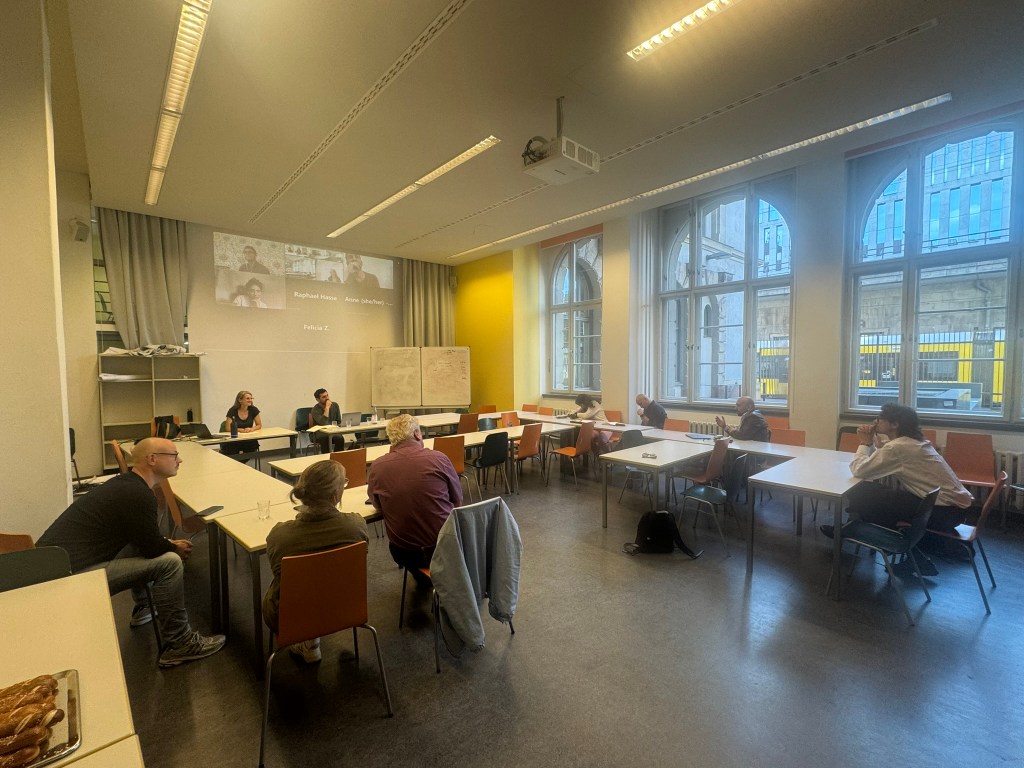
As part of the Shaping EU series and in collaboration with the Center for Comparative Research on Democracy (CCRD) at HU Berlin, we hosted the event “Displacement, Justice, and Governance in the New Syria: Perspectives from Within and Beyond.”
The event brought together distinguished experts to discuss the current situation in Syria, offering valuable insights into displacement, governance structures, and transitional justice. The engaging talks shed light on the complexity of Syria’s evolving political, social, and legal landscape.
The program featured three insightful presentations:
- “Displacement Inside and Outside Syria: Migration, Borders, and the Politics of Belonging”
Karam Yahya, Researcher and Analyst, explored the experiences of Syrians displaced both inside and outside the country, highlighting the shifting politics of borders, belonging, and identity. - “Local Governance Structures in Syria: Fragmentation and Resilience”
Ezra Karmel, Researcher and Policy Expert, analysed local governance in Syria, discussing how fragmented governance structures continue to operate and adapt under challenging circumstances. - “Challenges of Transitional Justice in Post-Conflict Syria”
Mariana Karkoutly, Legal Expert and Human Rights Advocate, addressed the immense challenges of achieving justice and accountability in post-conflict Syria, and emphasized the crucial role of transitional justice in supporting future reconciliation processes. She also highlighted the important efforts made by legal experts and human rights advocates who are documenting violations and preparing the groundwork for future accountability. Drawing on comparative experiences, suggestions from Colombian colleagues provided valuable insights into how other societies have addressed similar challenges of transitional justice, offering possible pathways and lessons that may inform Syria’s own process in the future.
We were very happy to see many of our students and alumni from the GET MA program in attendance, actively engaging with the speakers and discussions. The event provided a valuable opportunity for our community to deepen their understanding of Syria’s current developments and the broader regional and global implications.
We thank all our speakers and participants for making this important conversation possible.
Global Dignity and the Act of ‘Seeing Others’: Comparative Perspectives on Political, Ecological, and Workplace Recognition
07 May 2025, DEZIM
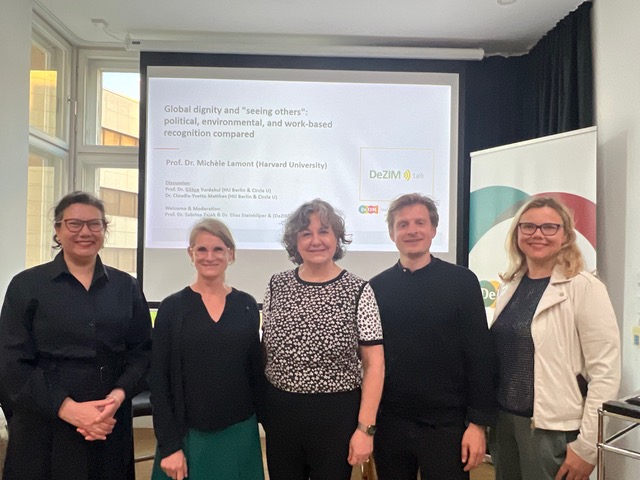
Honored to welcome Prof. Michèle Lamont (Harvard University) for her keynote on “Seeing Others: How Recognition Works and How it Can Heal a Divided World”. She shared powerful insights from her book and new research on how young workers in the US and UK, indigenous communities in Canada and Micronesia, and many others are seeking recognition in challenging times — through environmental justice, jobs, and in spaces where recognition is often impossible to obtain. It was an honor to comment on her keynote and to discuss this refreshing and stimulating topic. Grateful to everyone at DeZIM and Circle U who made this event possible.
More info: DeZIM
The Black Sea in Focus: Perspectives on Security, Strategy, and Regional Importance
08 January 2025
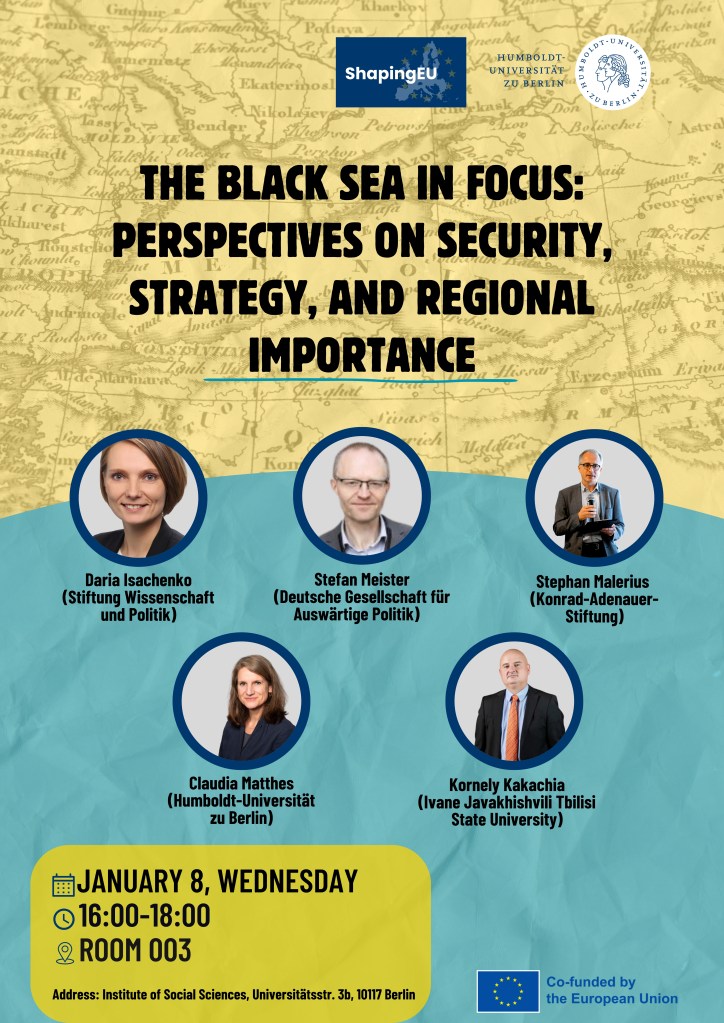
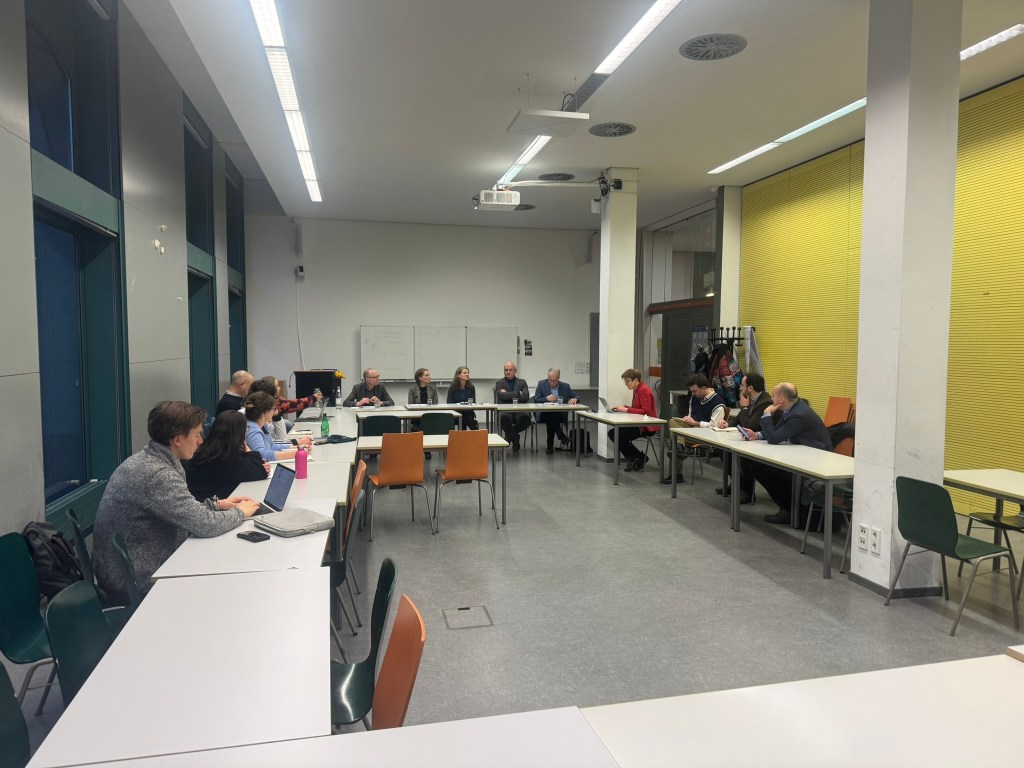
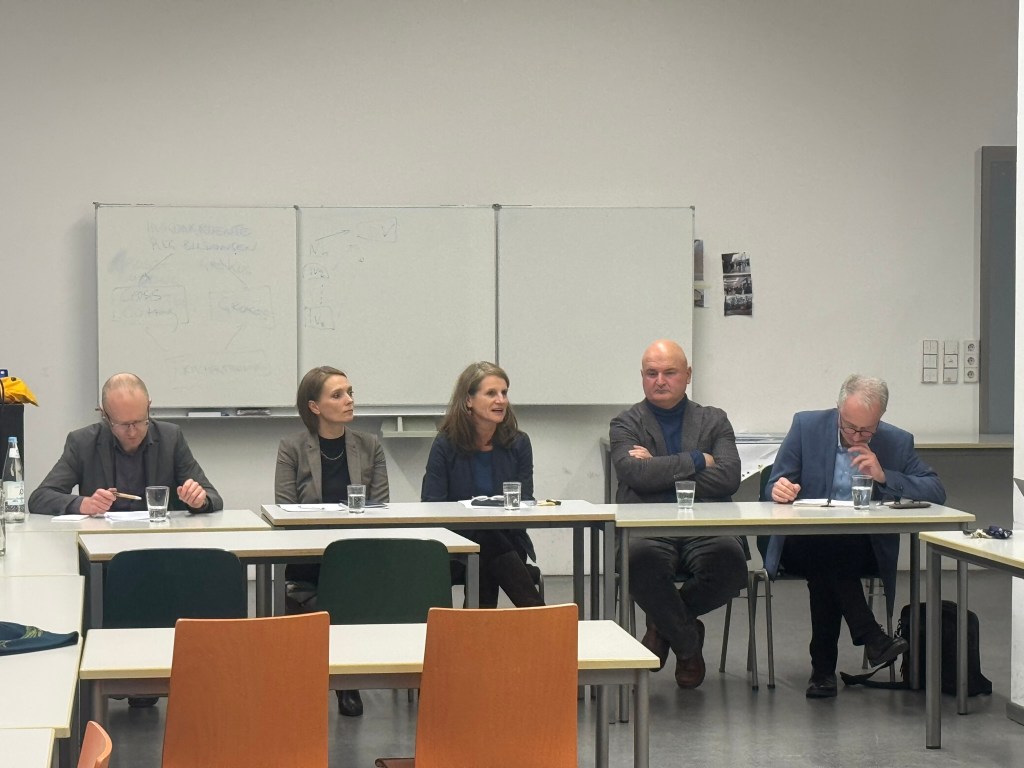
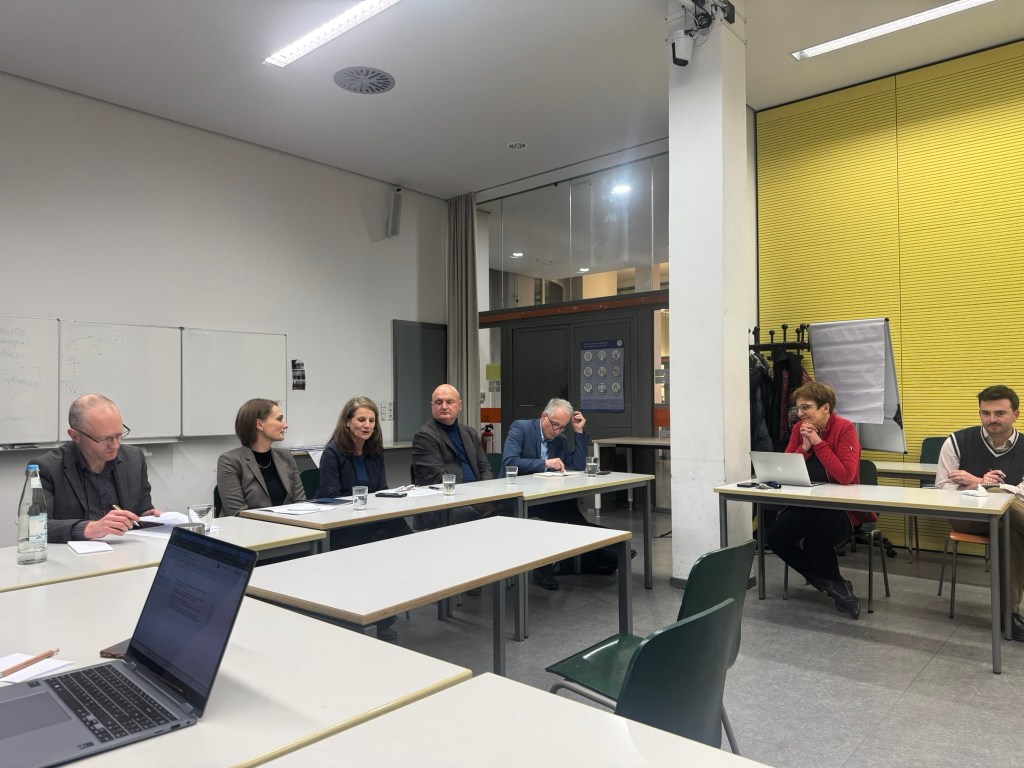
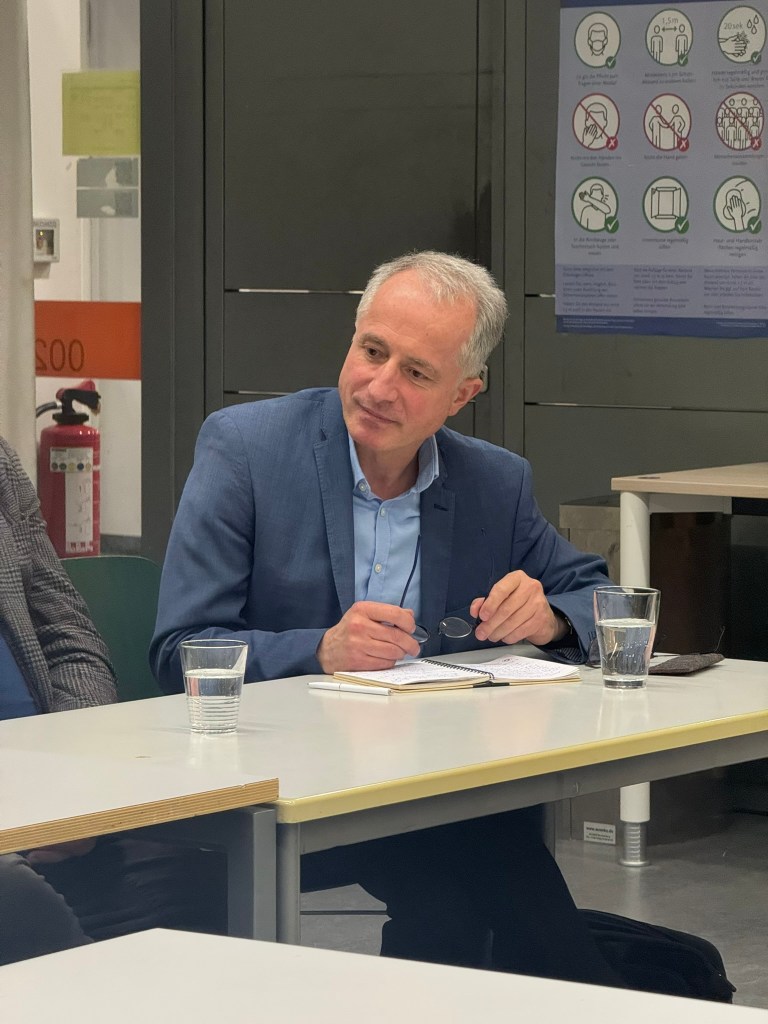
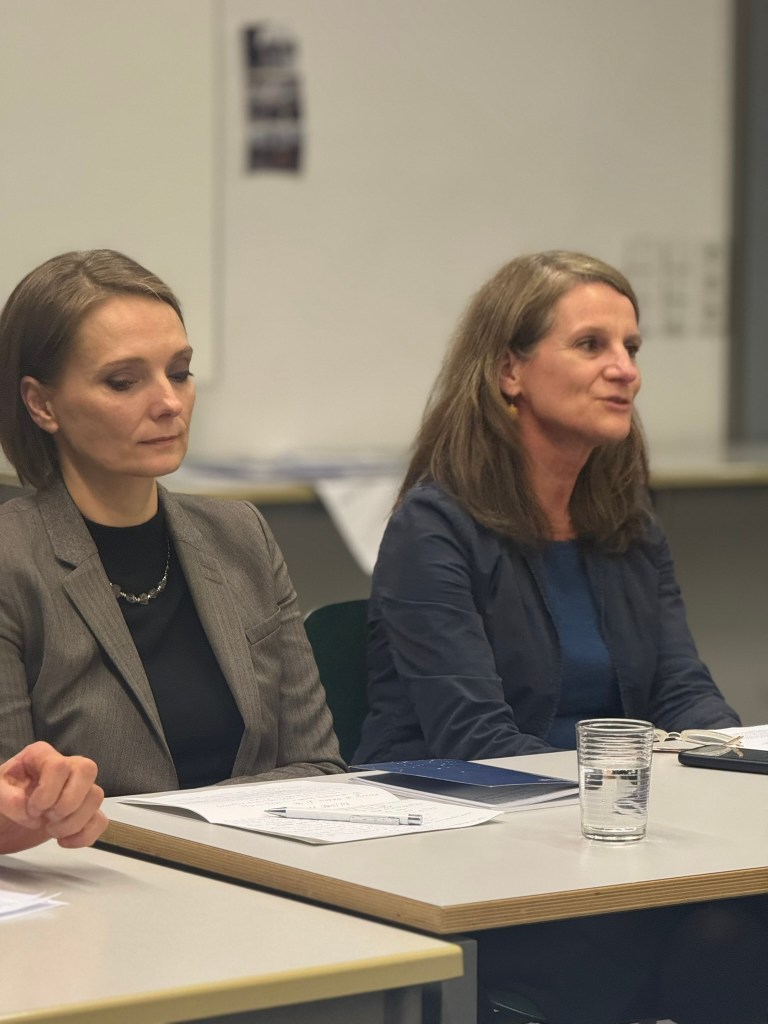
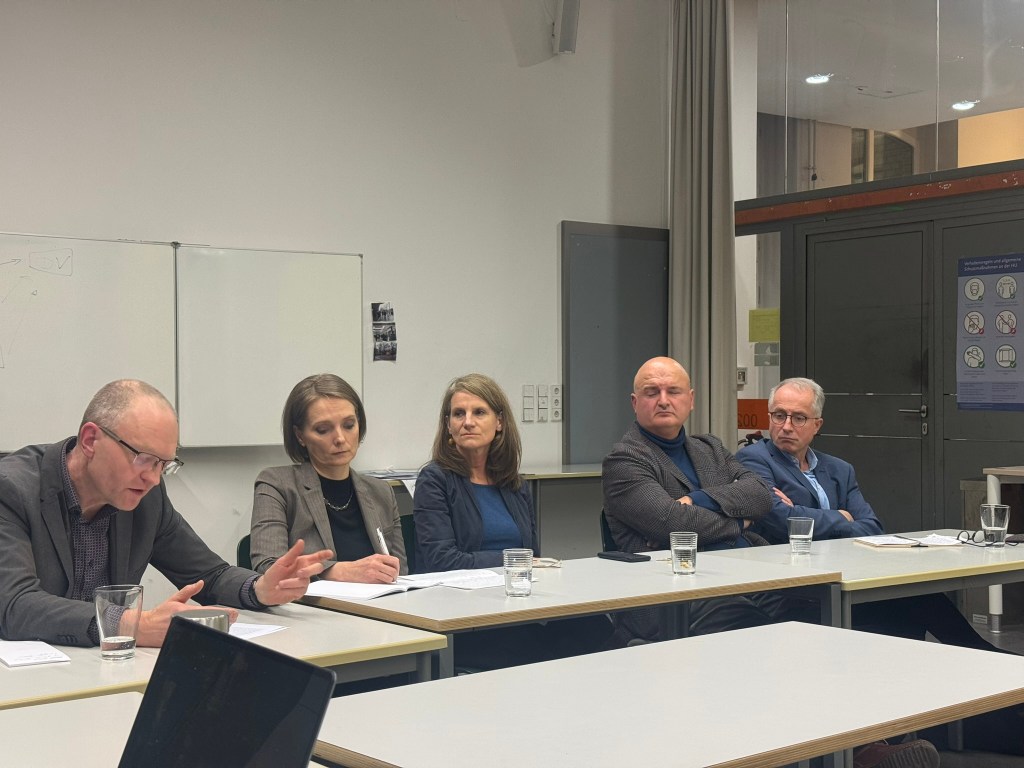
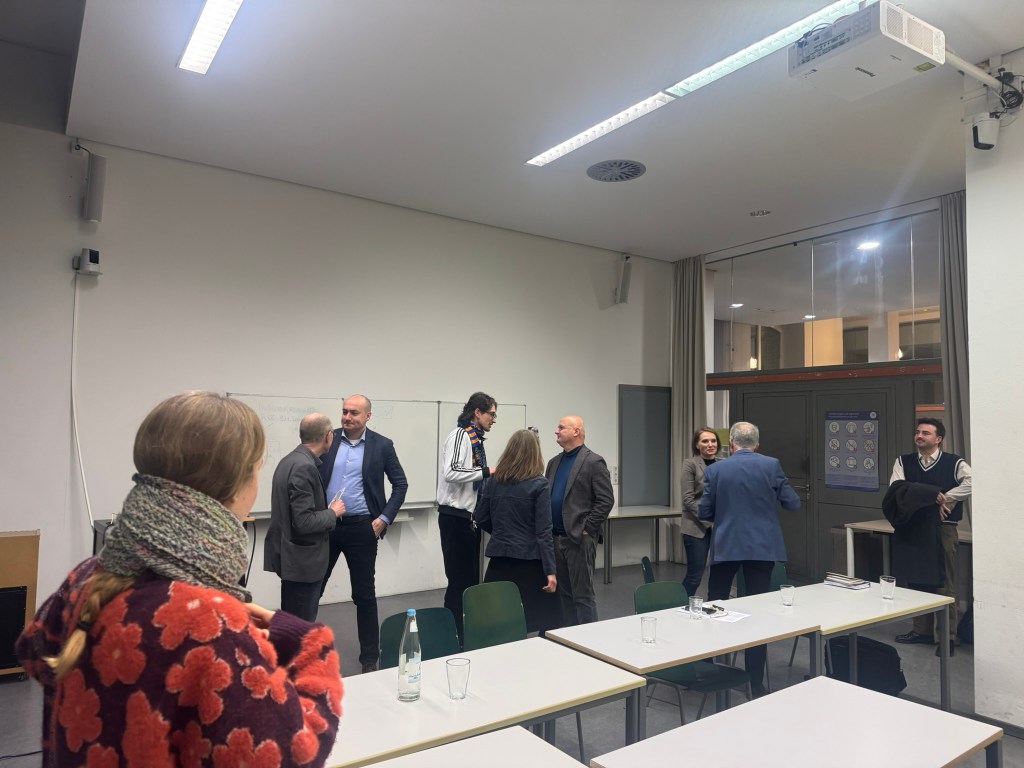
On January 8th, ShapingEU hosted a dynamic panel discussion, The Black Sea in Focus: Perspectives on Security, Strategy, and Regional Importance, featuring distinguished experts Kornely Kakachia (TSU, Georgia), Stefan Meister (DGAP), Stephan Malerius (KAS), Daria Isachenko (SWP), and Claudia Matthes (HU Berlin). This event offered a deep dive into the shifting dynamics of the Black Sea region, exploring the intricate web of security concerns, regional strategies, and the roles of key actors.
The Russian invasion of Ukraine has fundamentally altered the patterns of collaboration and competition in the Black Sea region. The panel highlighted how this conflict has reshaped power constellations and elevated the strategic significance of the area. Turkey, for instance, has taken on a pivotal new role, mediating the grain deal and drawing attention to the Treaty of Montreux, which regulates naval activity in the Black Sea.
Discussions also extended beyond traditional power players like Türkiye and Russia to include other influential states such as Georgia, Ukraine, and Azerbaijan. The panelists examined how neighboring states. For example, Kornely Kakachia highlighted Georgia’s position amidst the region’s uncertainty, emphasizing its geopolitical balancing act and the challenges it faces in navigating relations with both regional and global powers.
The Black Sea region’s transformation is also testing the European Union’s strategies, including the European Neighborhood Policy and Eastern Partnership. The panelists discussed the EU’s geopolitical challenges under Ursula von der Leyen’s leadership, noting a shift from a focus on geopolitics in her first term to an emphasis on economic priorities in her second. This shift is further complicated by external pressures from the United States and China, as well as questions about the future of the French-German partnership.
This event stood out for the depth of expertise and practical insights offered by the panelists, many of whom work closely with policymakers. Their contributions bridged academic analysis and real-world application, highlighting the critical need for multilateral engagement to navigate the complexities of this strategically vital region.
We extend our heartfelt thanks to the panelists and attendees for their active participation in making this event both engaging and enlightening.
Guest Lecture by Filip Balunović “The Revival Of The Left In The Balkans: Counterhegemonic Activism And Ideas That Fueled It“
19 December 2024
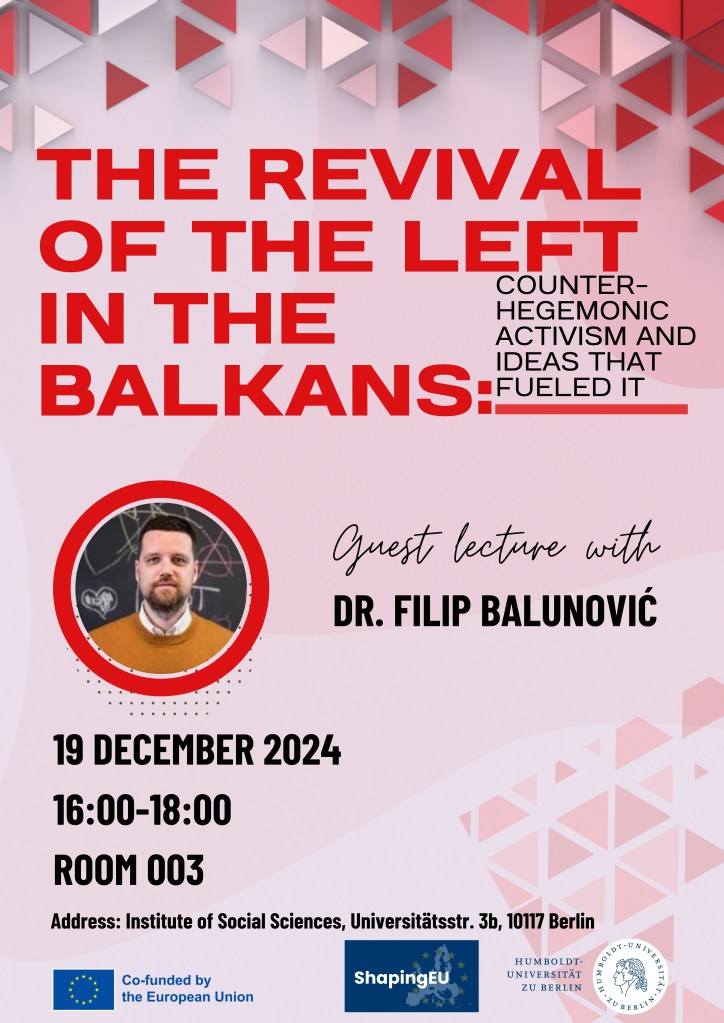
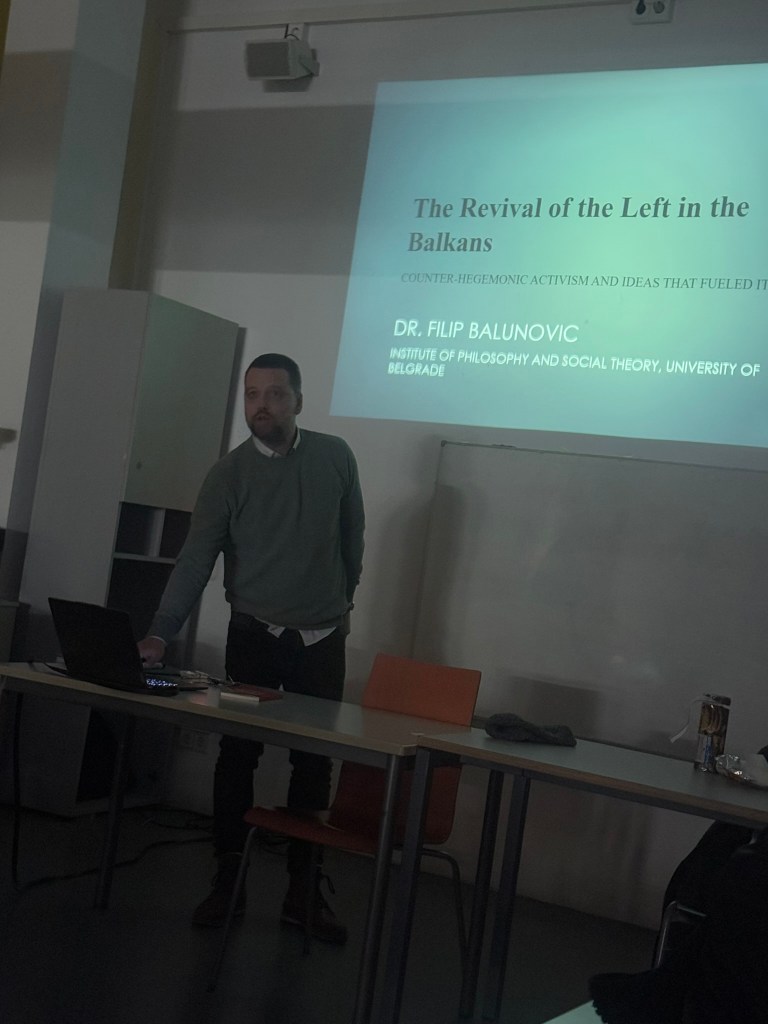
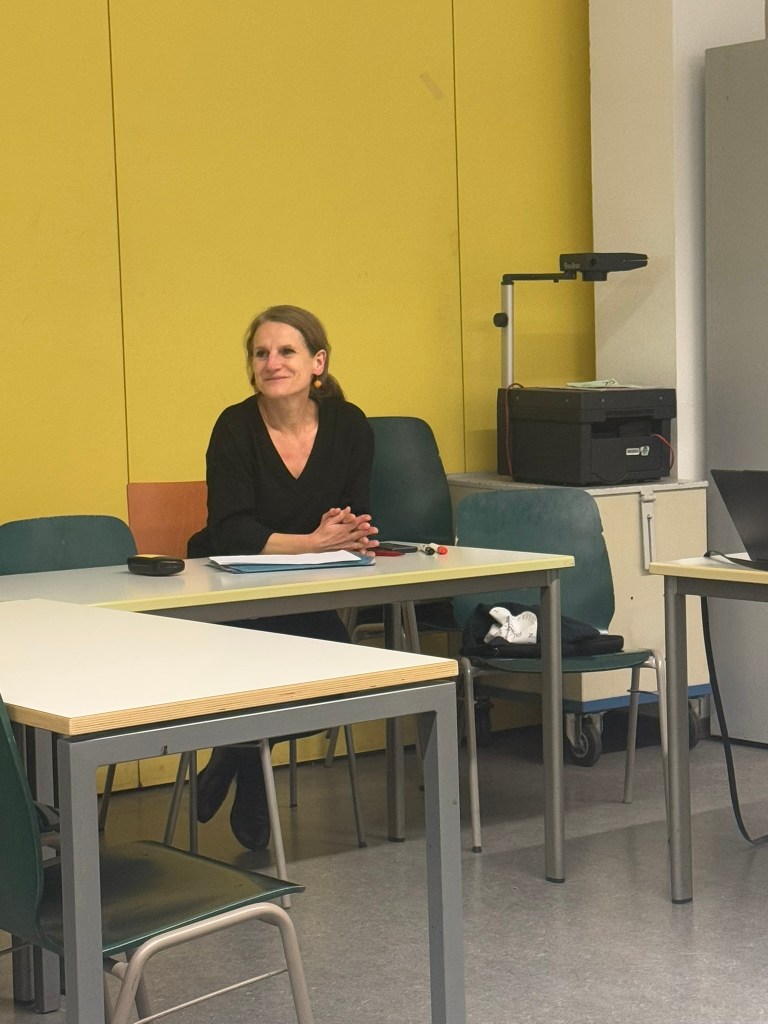
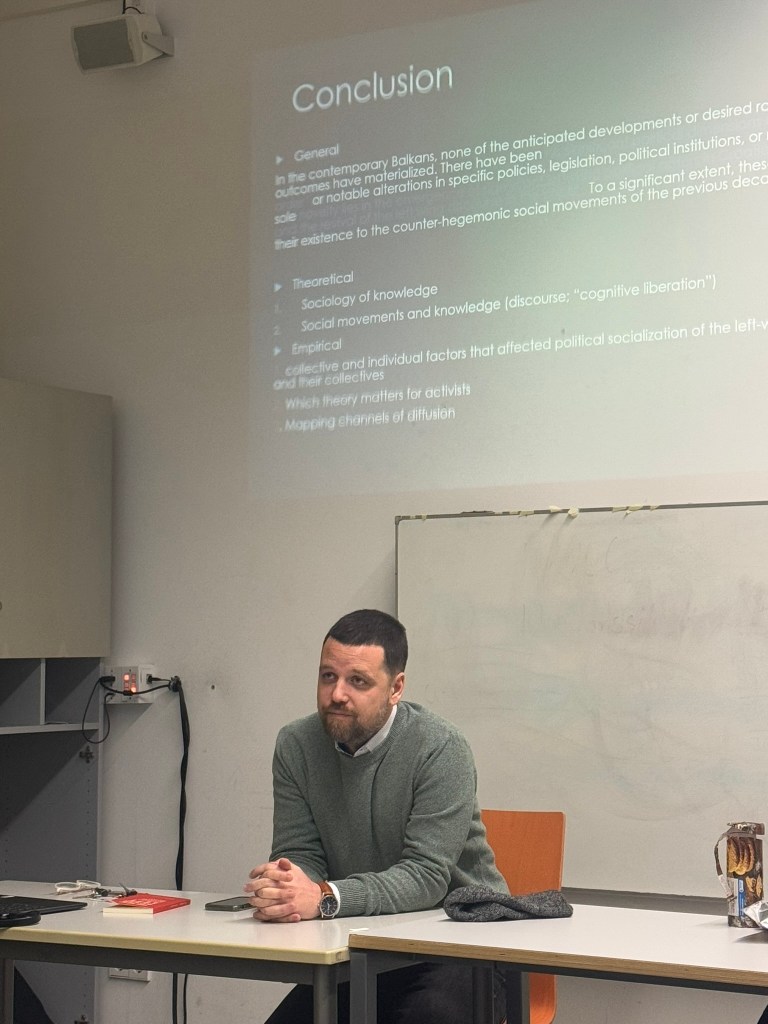
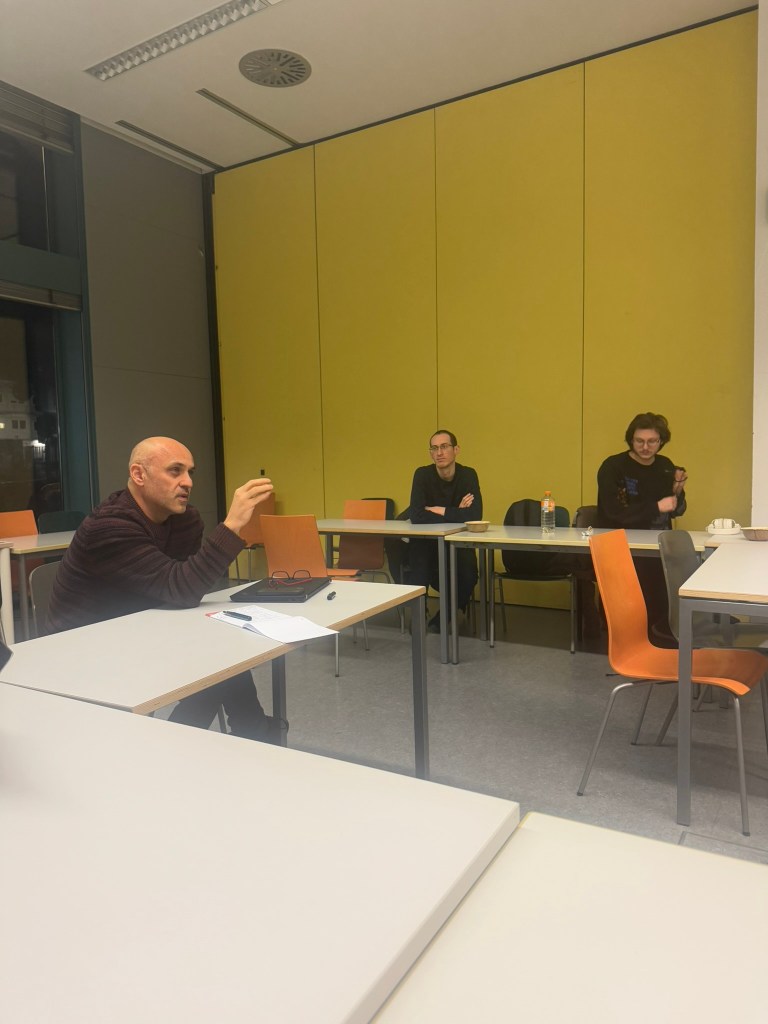
Just before the holiday season, ShapingEU had the pleasure of hosting Filip Balunović, a distinguished researcher and author, for an insightful guest lecture. Balunović presented findings from his research and his book, The Revival of the Left in the Balkans: Counter-Hegemonic Activism and Ideas that Fueled It.
This book provides a detailed exploration of how social movements in Serbia, Bosnia and Herzegovina, and Croatia disrupted the post-socialist transitional status quo through critical discursive breakthroughs. While critical ideas have long inspired social and political actions, their intricate relationship with activism has often been overlooked in scholarly discussions.
Balunović’s work sheds light on the emergence of new left actors in the Western Balkans, not as a result of structural opportunities or momentary circumstances, but as a maturation of consciousness. His research emphasizes that these movements arose from the exposure of segments of society to critical ideas, which were essential in shaping their cognitive underpinnings and social engagement.
Central to his analysis are questions about the origins of the discursive strategies employed by these movements, the relevance of various types of knowledge in contemporary activism, and the organizational dynamics that influence the adoption of critical ideas within social collectives. By delving into both theoretical and non-theoretical forms of knowledge, the book provides a nuanced understanding of how critical thought drives activism and social change.
This session resonated strongly with postgraduate students, particularly those interested in social movements, Eastern and Southeastern European politics, and the relationship between critical knowledge and activism.
We extend our gratitude to Filip Balunović for sharing his valuable insights and to everyone who participated in the discussion.
Borders and Boundaries in Europe
17 December 2024
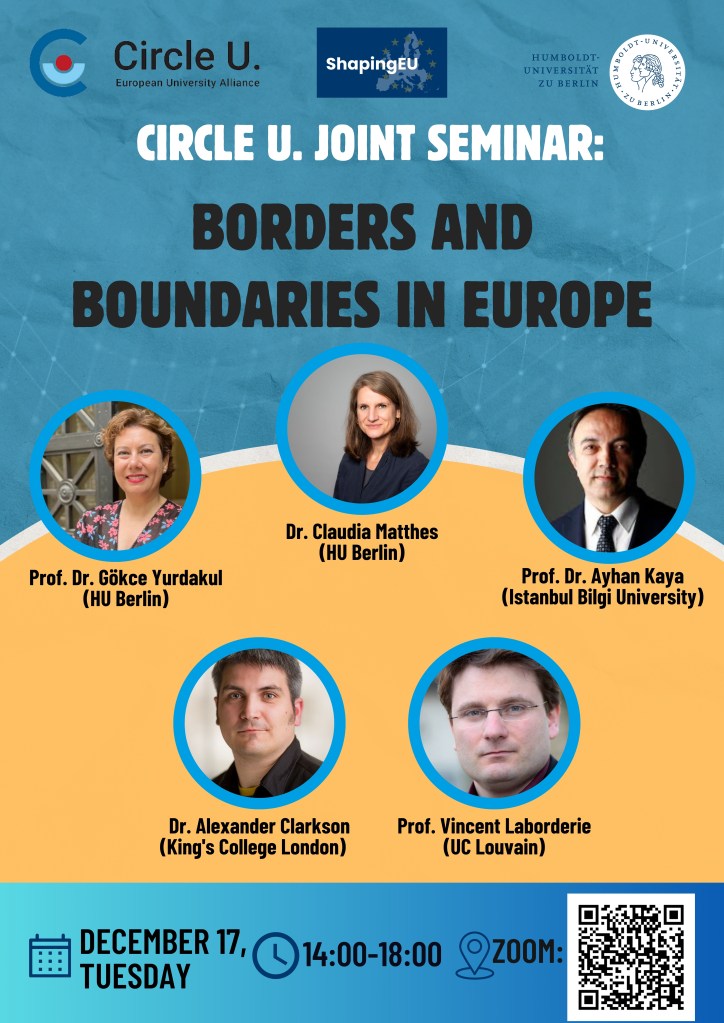
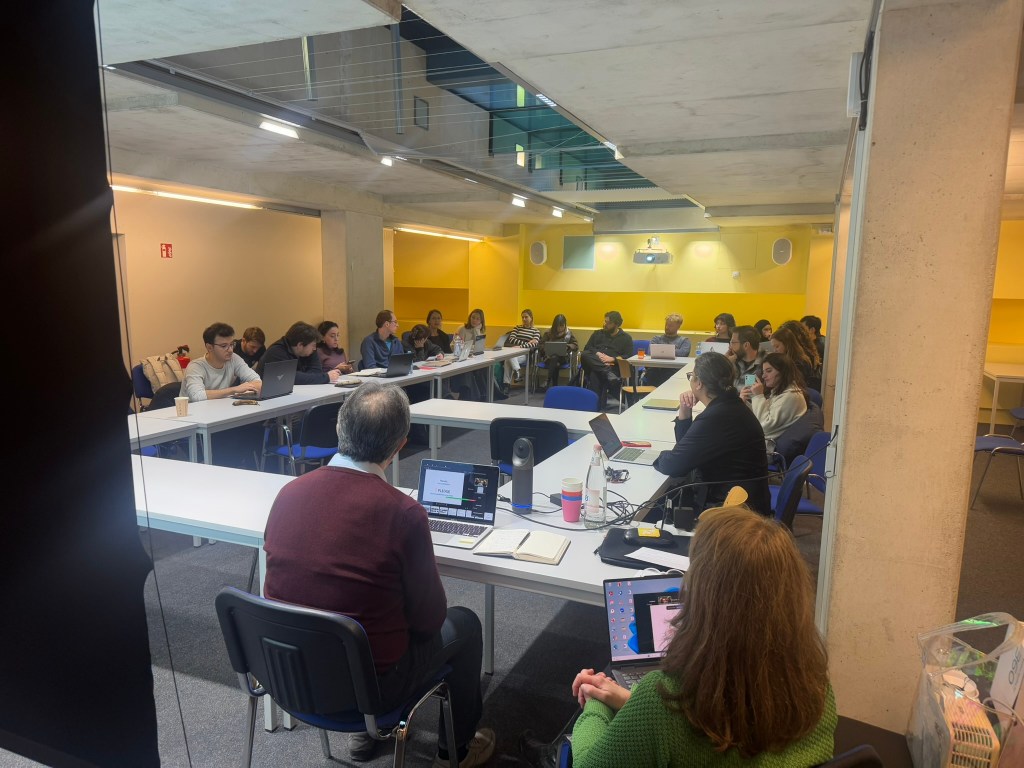
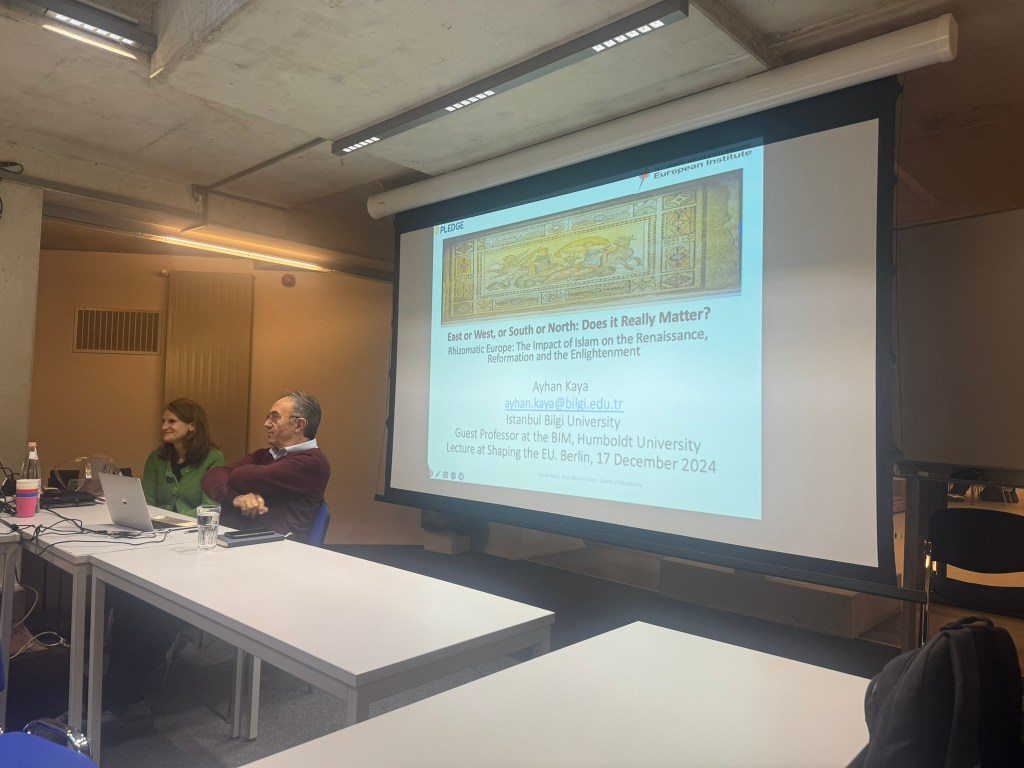
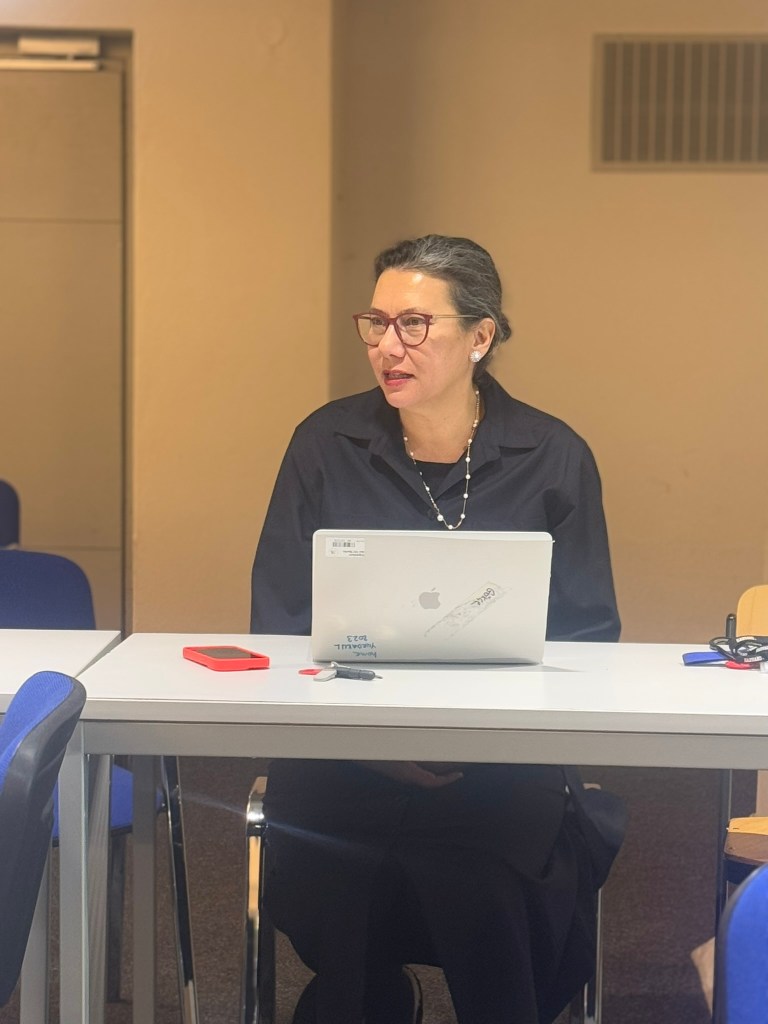
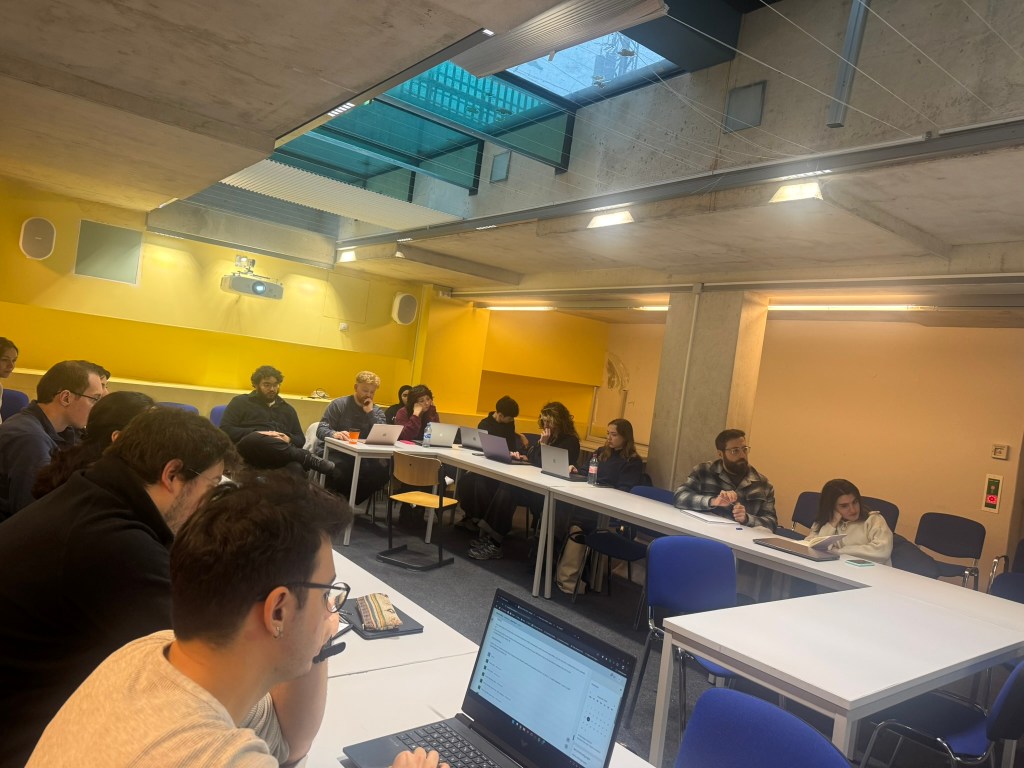
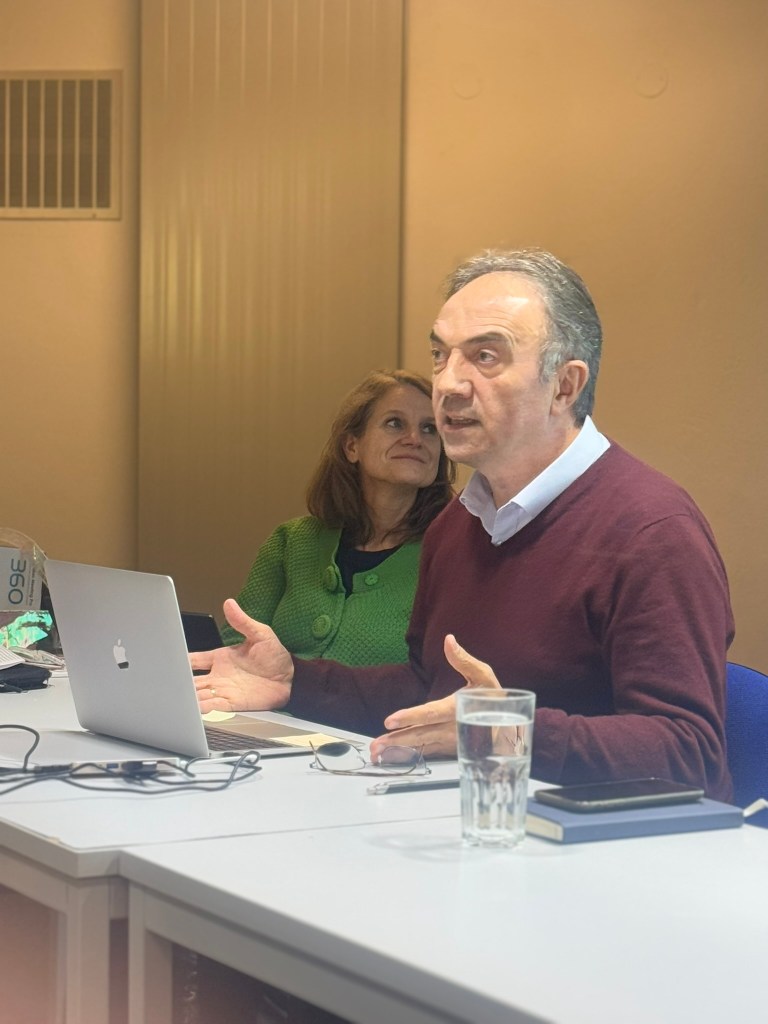
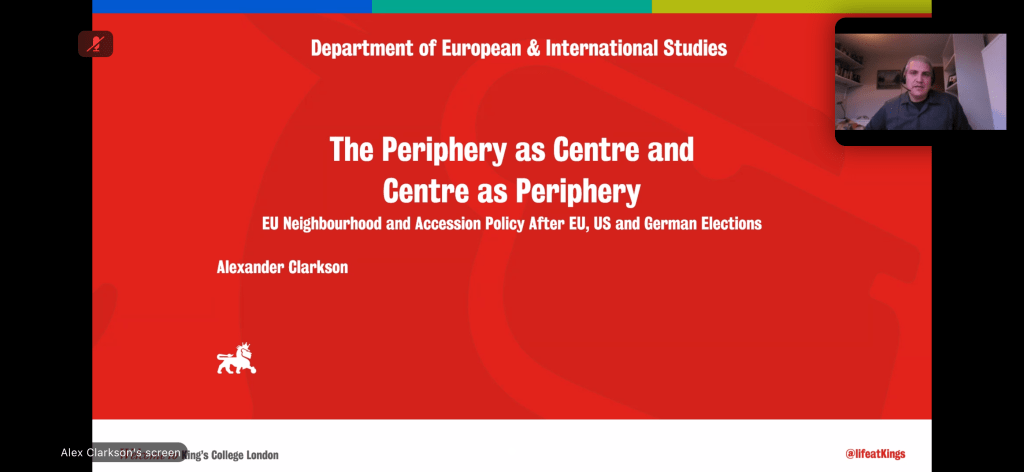
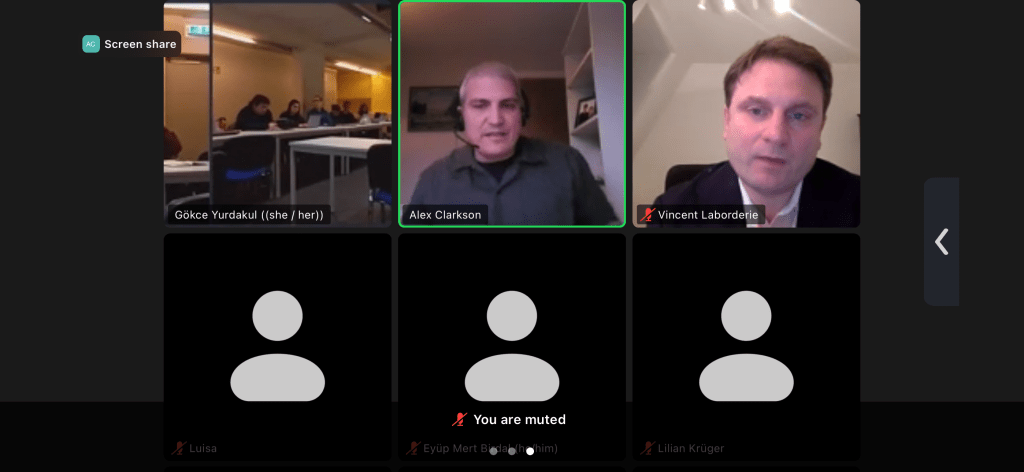
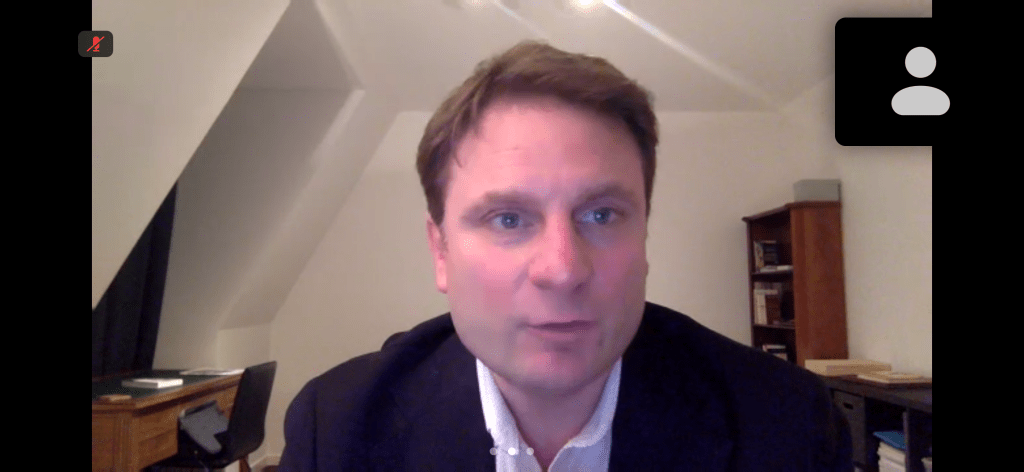
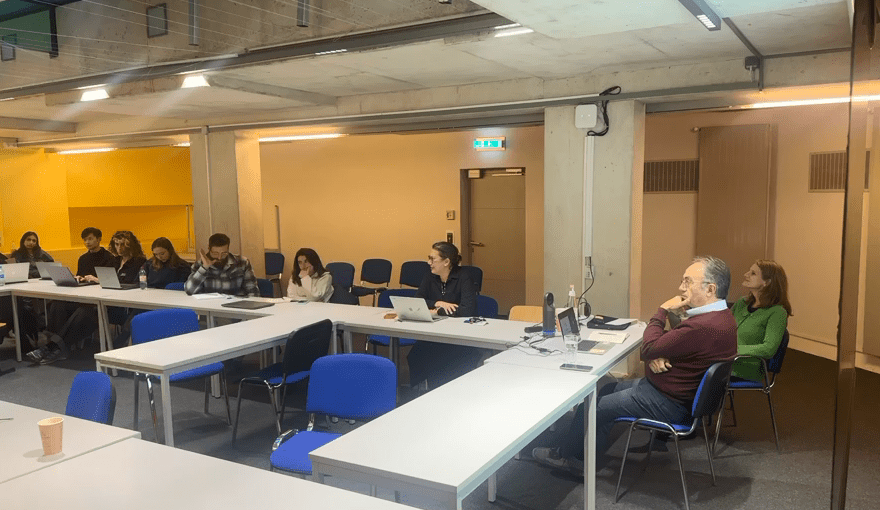
The borders of Europe have shifted quite frequently, both in the past and in contemporary times, and their meaning is not only dynamic but also contested. These different notions of Europe’s borders and boundaries were discussed and challenged in this engaging hybrid seminar.
Today’s perceptions of security and the narratives surrounding European identity create invisible yet powerful distinctions, alongside severe physical barriers. Depending on the perspective—whether as an insider or an outsider—the implications of these borders can vary significantly for societies, political systems, and individual human beings.
The seminar brought together students, scholars, and guest speakers to explore the multifaceted realities of European borders. Students from Prof. Dr. Gökçe Yurdakul’s Crossing Boundaries: Migration Processes, Democratic Governance, and the Challenges of Climate Change and Dr. Claudia Matthes’s Enlargement of the European Union – Processes and Policies engaged deeply with key themes such as European identity, European institutions, the EU Neighborhood Policy, and the broader concept of the European space along with topics including migration, inclusion, and the forces driving these dynamics. Scholars from the Circle U. community, joined by guest from Istanbul Bilgi University, contributed valuable perspectives that enriched the discussions.
Hosted at Humboldt Universität Berlin, the seminar was part of the Circle U. Climate and Democracy Hubs initiatives, offering both in-person and online participation. With the support of distinguished guest speakers, participants gained diverse insights into theoretical approaches, policy implications, and research on Europe’s evolving borders.
We extend our heartfelt thanks to all the speakers and attendees who made this event a success with their thought-provoking contributions and discussions. Stay connected for future events that continue to challenge and explore the critical issues shaping Europe today!
Guest Lecture by Prof. Priscilla Layne “Drawing on Experience: Graphic Medicine and the Concept of Erlebnis“
31 October 2024
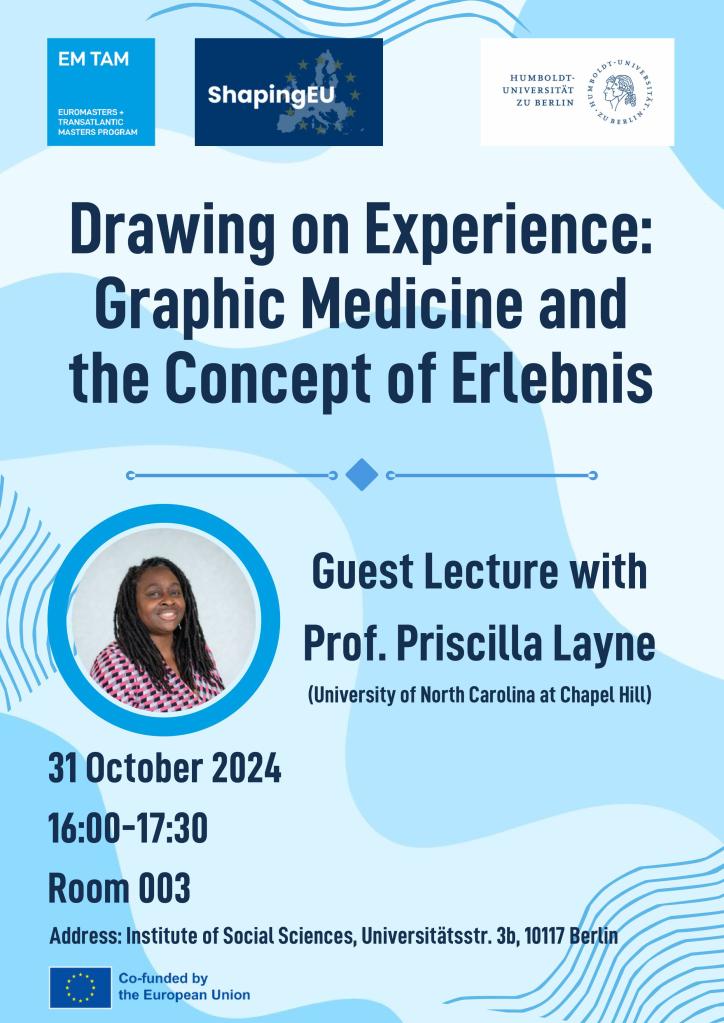
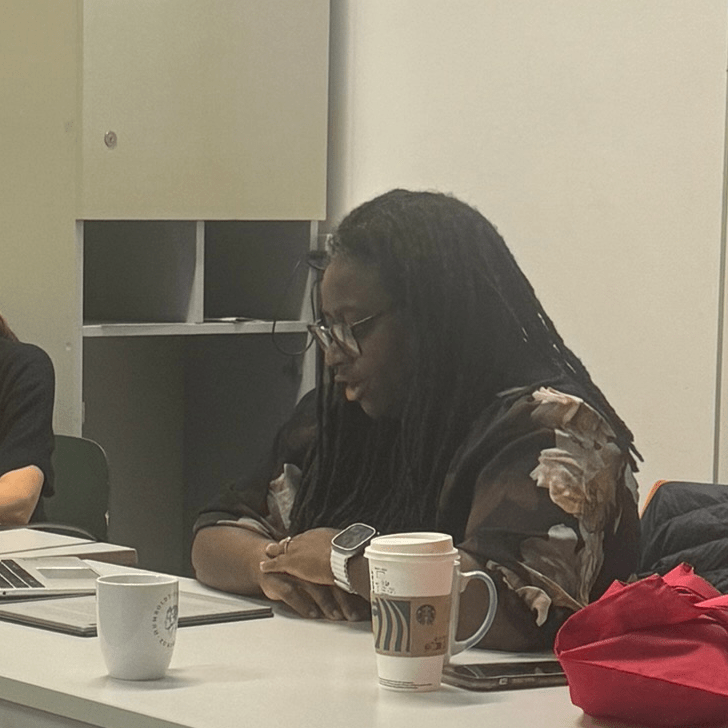
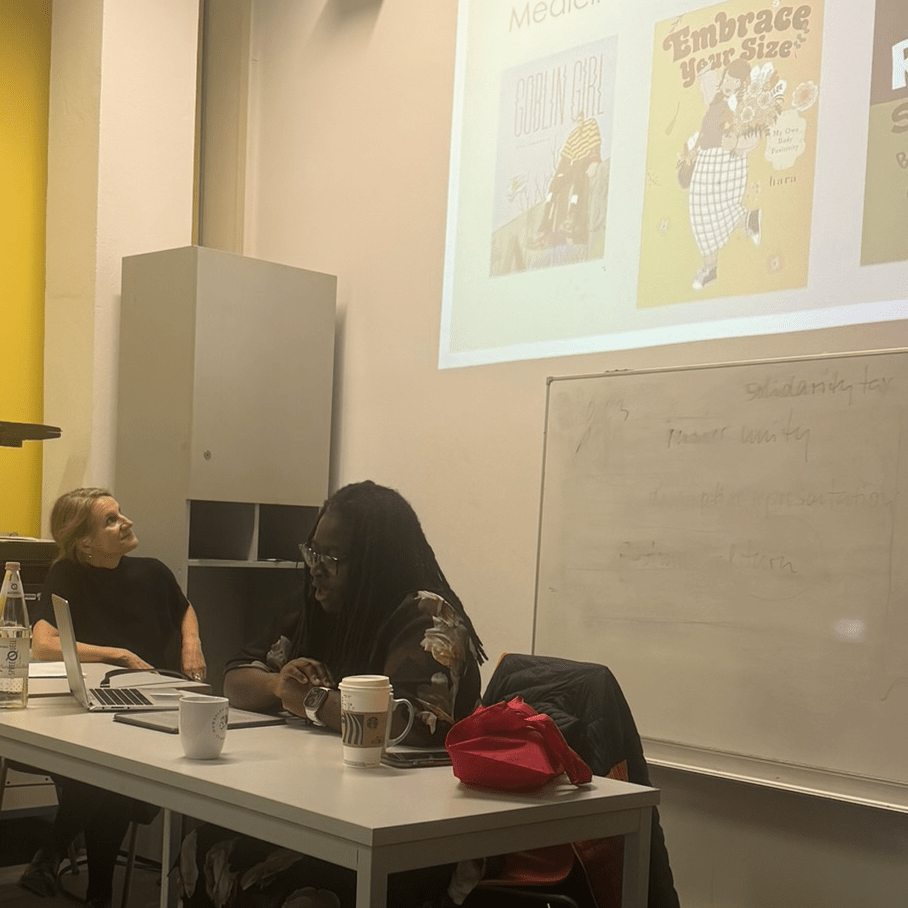
Thrilled to share that we at ShapingEU recently hosted an inspiring guest lecture with Prof. Dr. Priscilla Layne—Director of the UNC Center for European Studies and our longstanding Transatlantic Masters Program (TAM) partner!
Her lecture, “Drawing on Experience: Graphic Medicine and the Concept of Erlebnis,” offered a deep dive into the distinction between Erlebnis (lived experience) and Erfahrung (observed experience), alongside critical insights into ableism, neurodivergent communities, and the unique impact of graphic medicine.
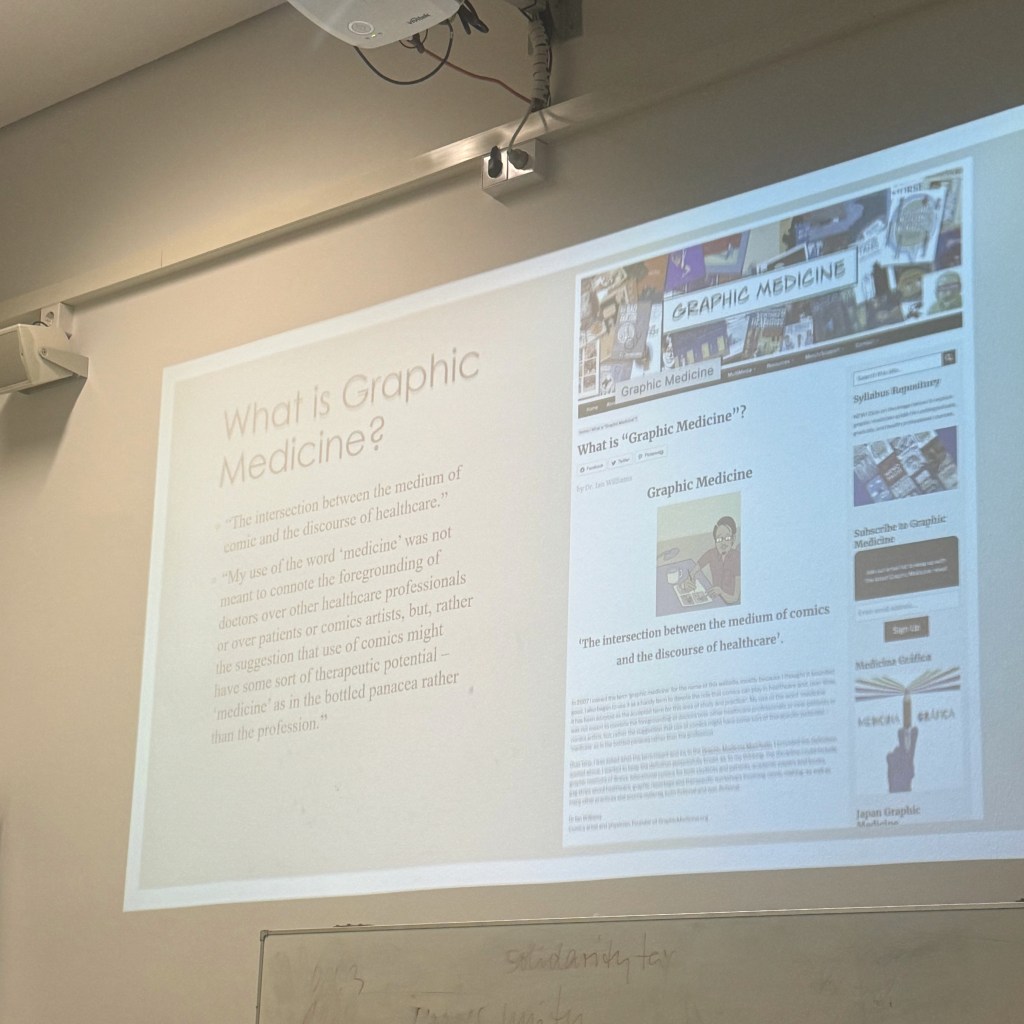
As Prof. Layne explained, graphic medicine—a subgenre of comics—combines comic studies, medical humanities, and trauma and disability studies. It emphasizes illness, trauma, and disability, often through graphic memoirs that capture these experiences from an insider’s perspective. By using both imagery and text to portray illness and trauma, creating narratives that transcend traditional language’s limitations. This genre questions stable identity constructs, promoting a more inclusive and less ableist understanding of human experience.
Guest Lecture by Prof. Dr. Umut Bespinar “Parenting Values, Goals, and Practices Across Social Classes in Turkey: A Comparative Perspective“
29 October 2024
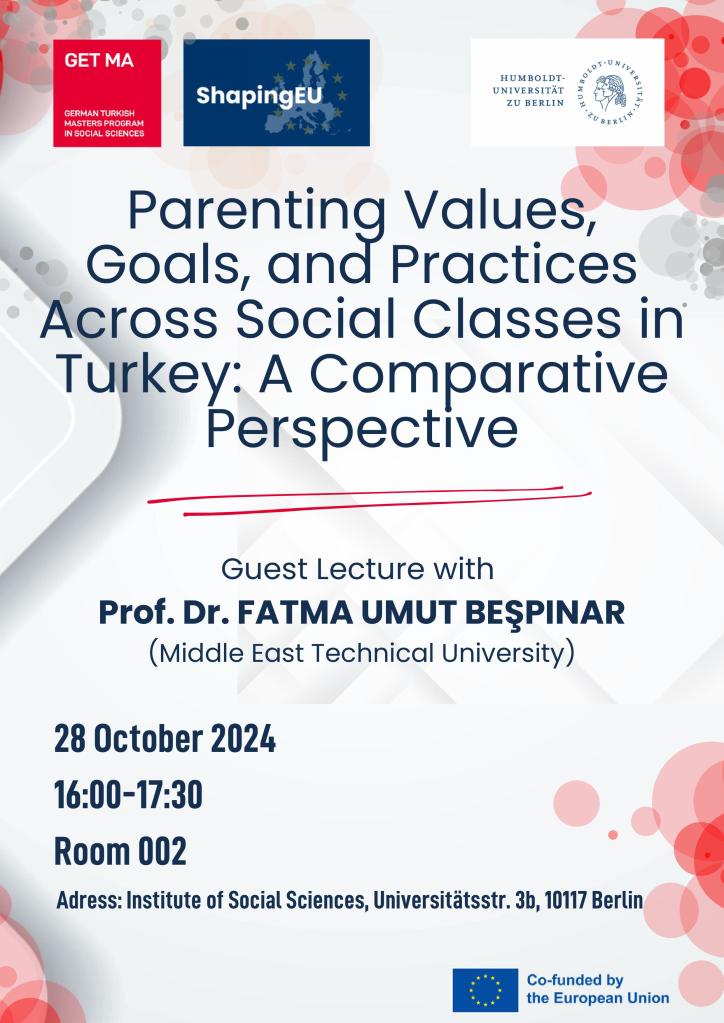
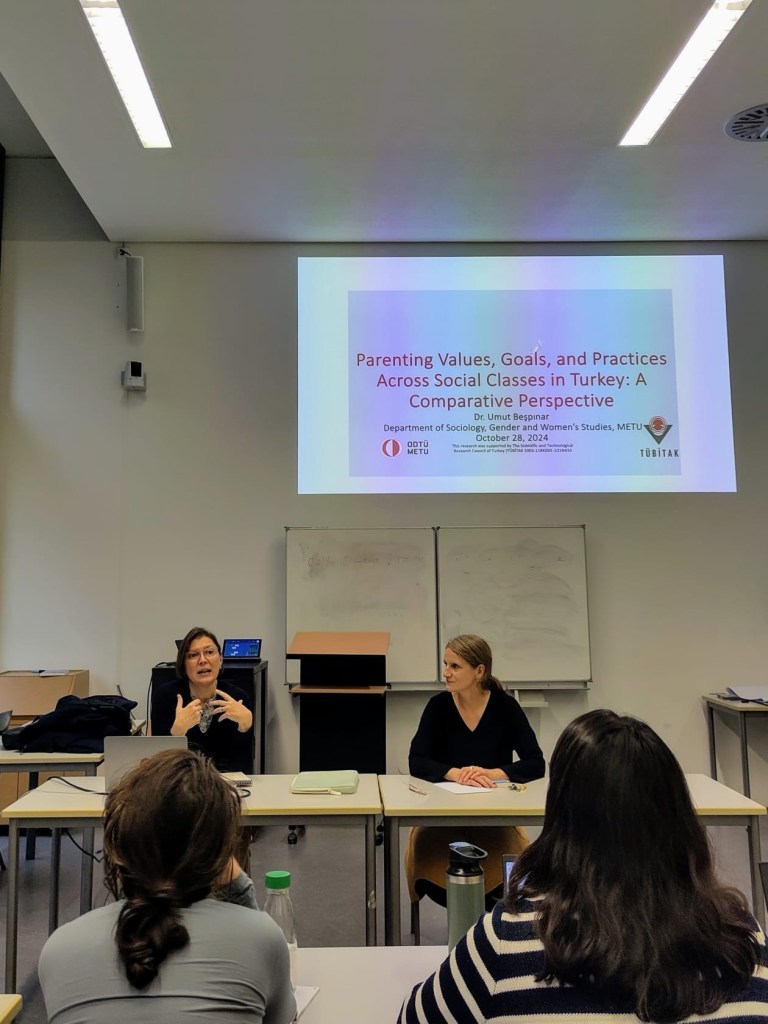
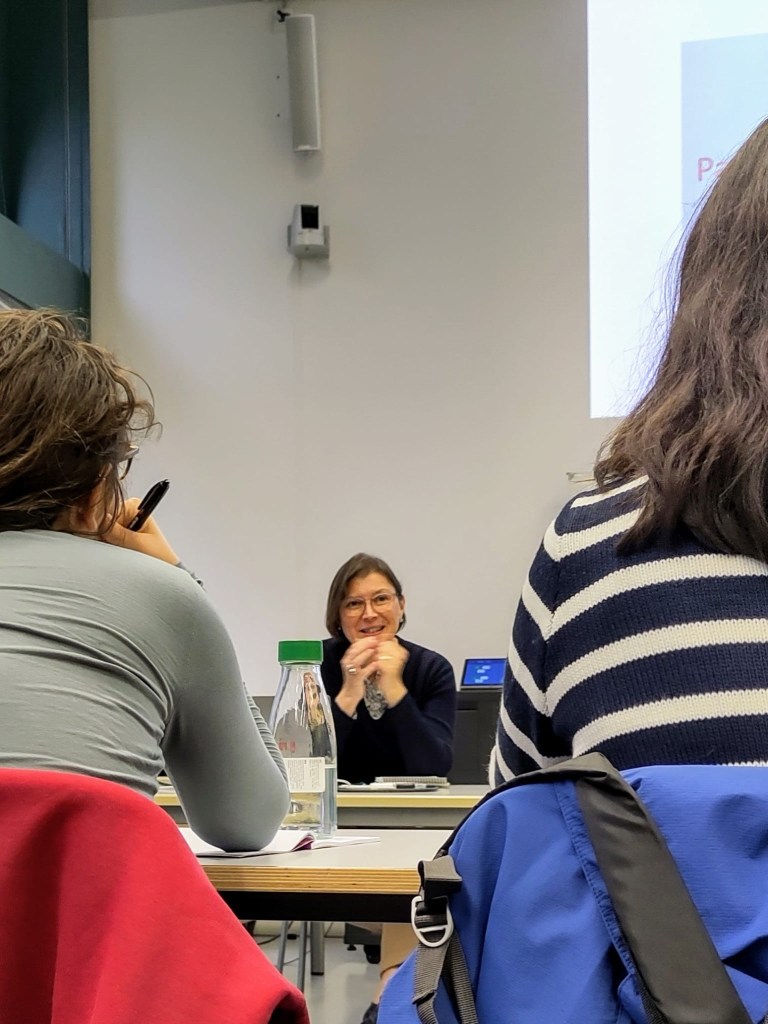
Thrilled to host a captivating guest lecture under the Jean Monnet Chair Project ShapingEU! Prof. Dr. Fatma Umut Beşpınar from METU and the GETMA program delivered an insightful talk on “Parenting Values, Goals, and Practices Across Social Classes in Turkey: A Comparative Perspective.” Her research opened up meaningful discussions on how social class shapes parenting in Turkey, sparking reflection on cultural and societal influences. Thank you, Prof. Beşpınar, for sharing your expertise with us!
Guest Lecture by Dr. Nicolai von Ondarza “EU-UK relations after the change of government to Labour“
08 October 2024
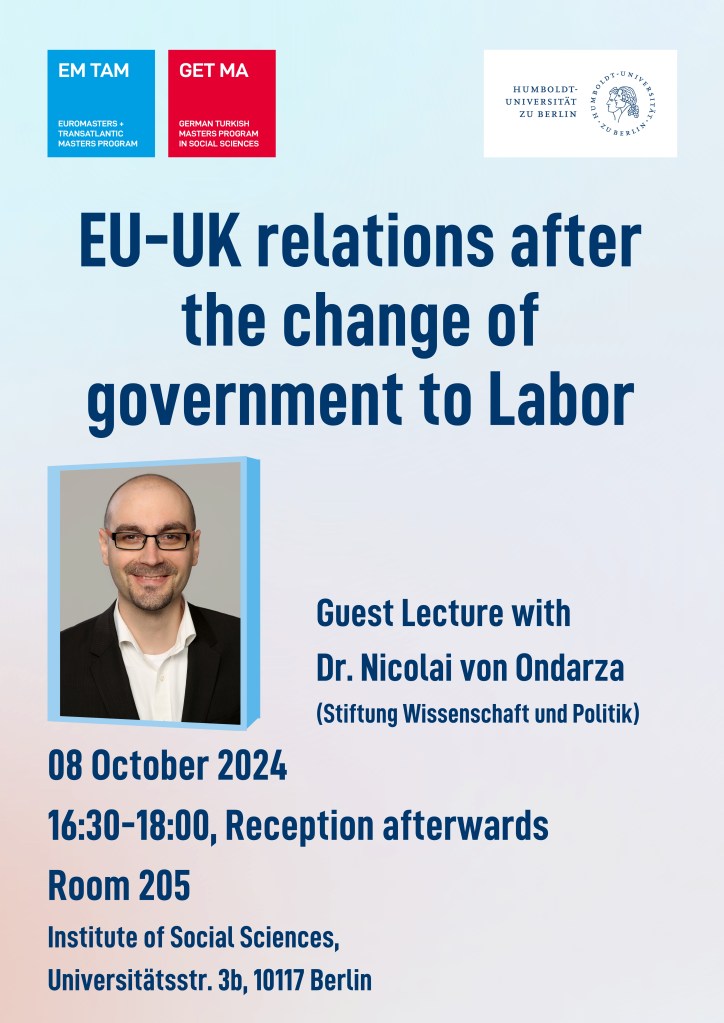
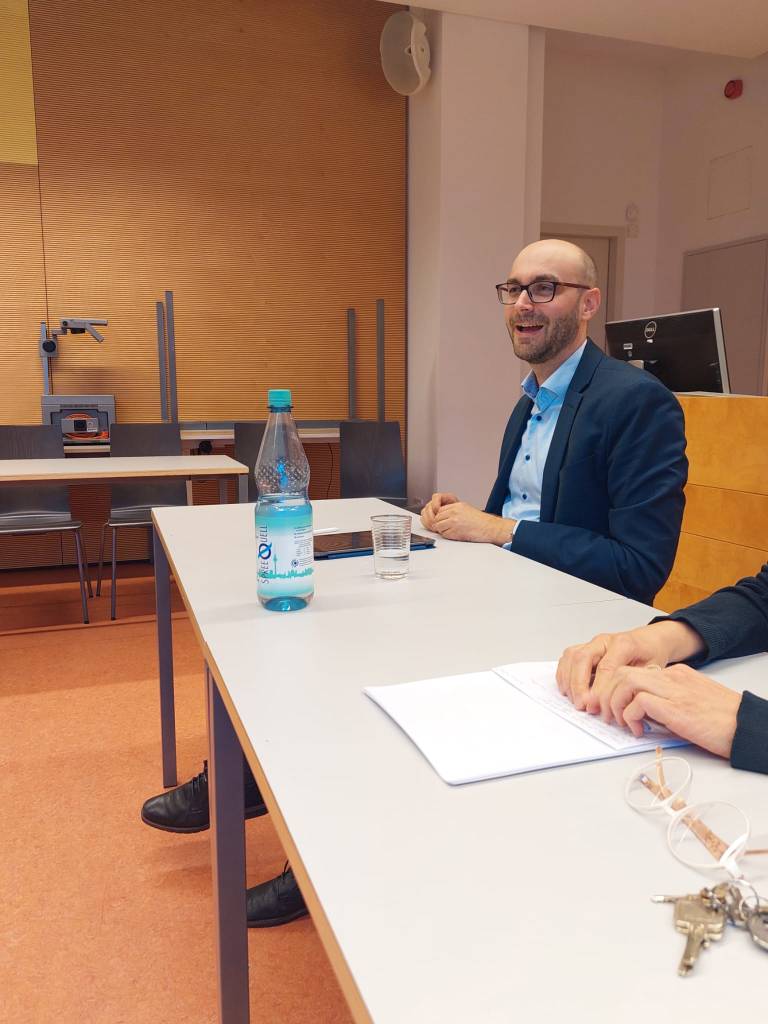
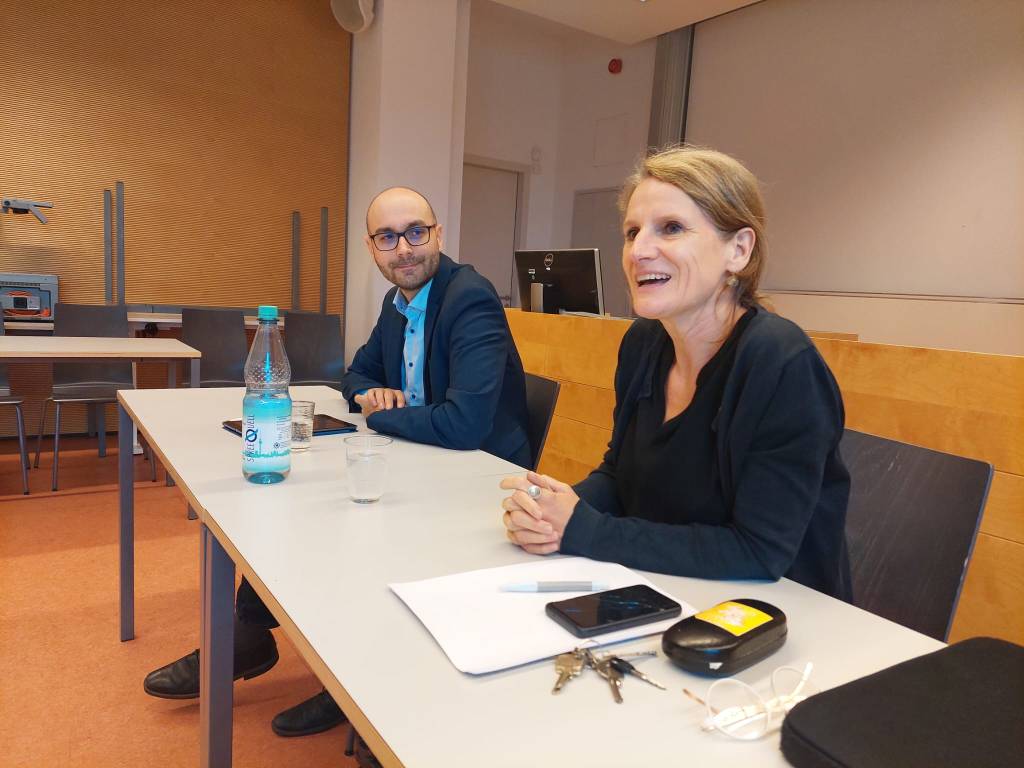
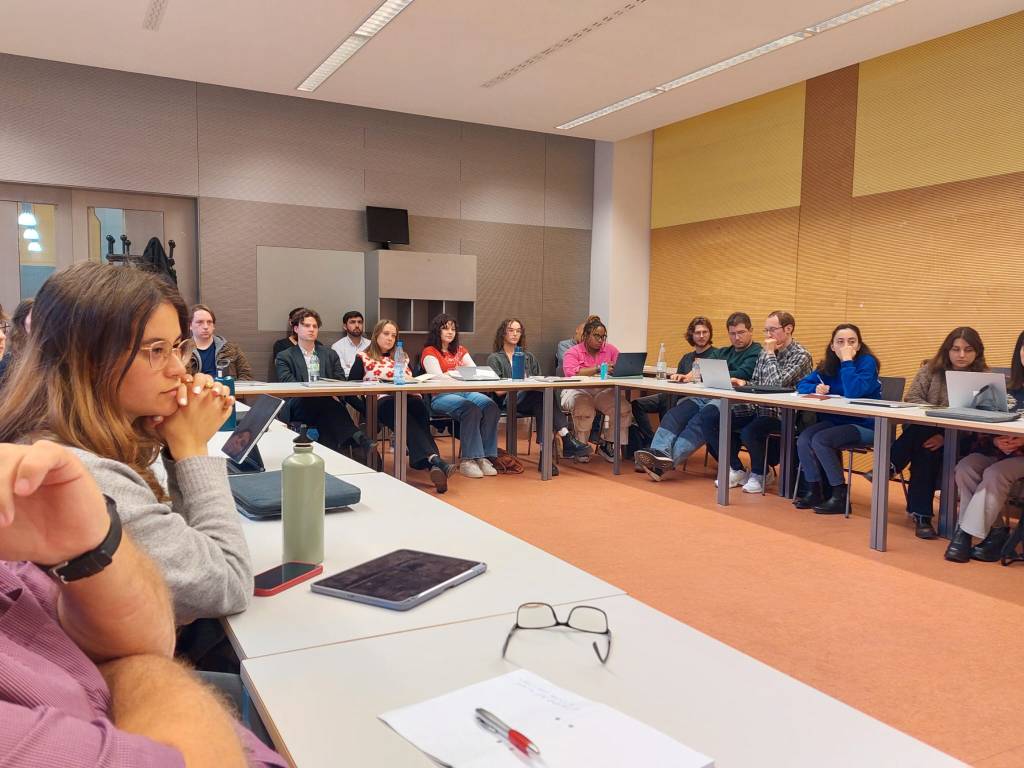
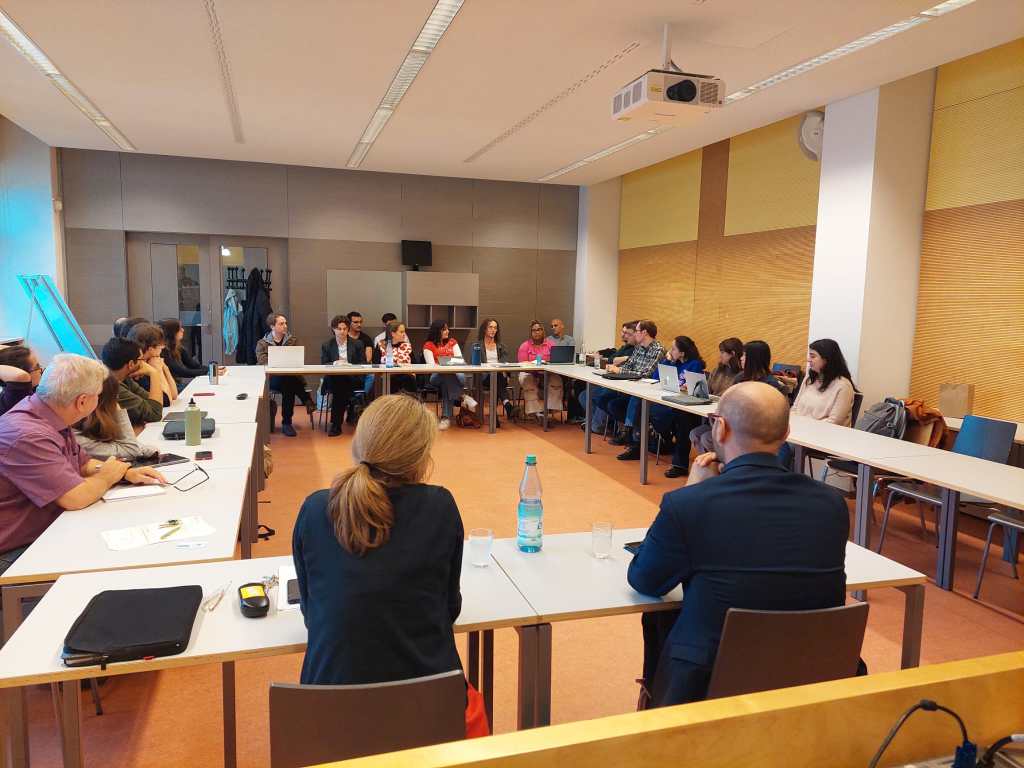
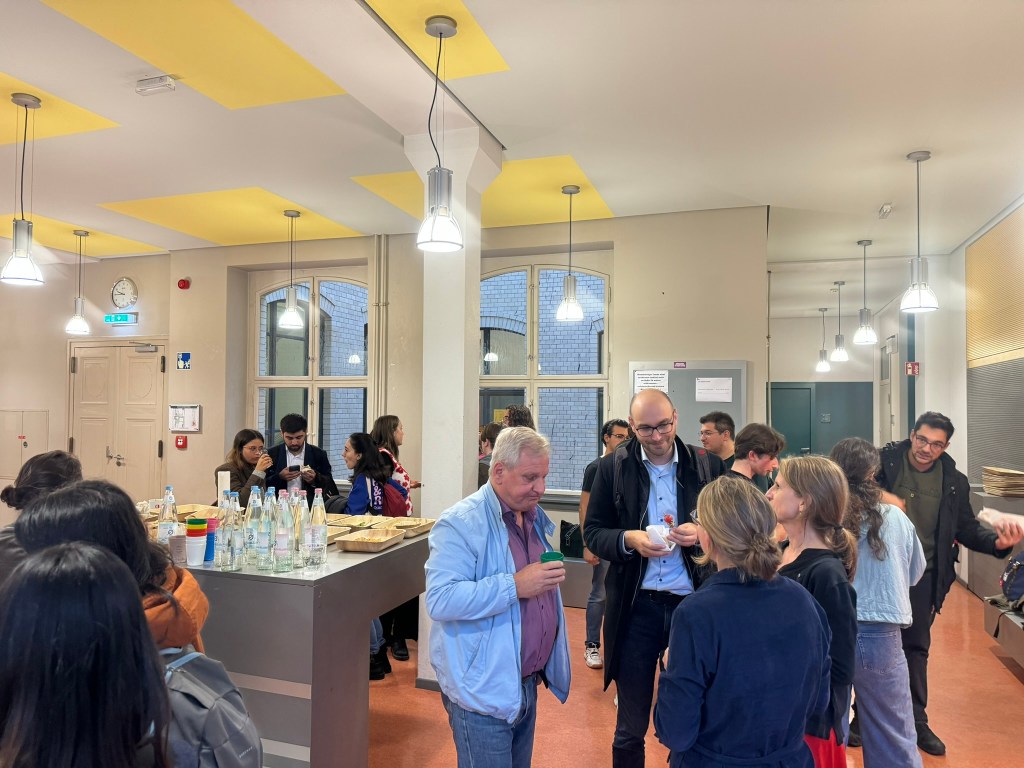
We were honored to host Dr. Nicolai von Ondarza from Stiftung Wissenschaft und Politik for a guest lecture titled “EU-UK Relations Following the Change of Government to Labour.”
Dr. von Ondarza provided valuable insights into how the recent Labour Party victory in the UK may reshape domestic relations and the broader EU-UK dynamic. He also explored the complexities of Brexit, highlighting both challenges and opportunities for the UK in redefining its relationship with the EU.
The lecture concluded with an engaging Q&A session, where students and faculty posed thoughtful questions on Labour’s policies. Dr. von Ondarza’s insightful responses enriched the discussion and fostered a lively exchange of ideas.
We extend our sincere gratitude to Dr. von Ondarza for sharing his expertise with us. The ShapingEU series continues to promote meaningful dialogue on pressing European issues, and we look forward to more enlightening events in the future. Thank you to all who participated!
Guest Lecture by Erinn Whitaker “A day in the life of an intelligence analyst”
2 July 2024
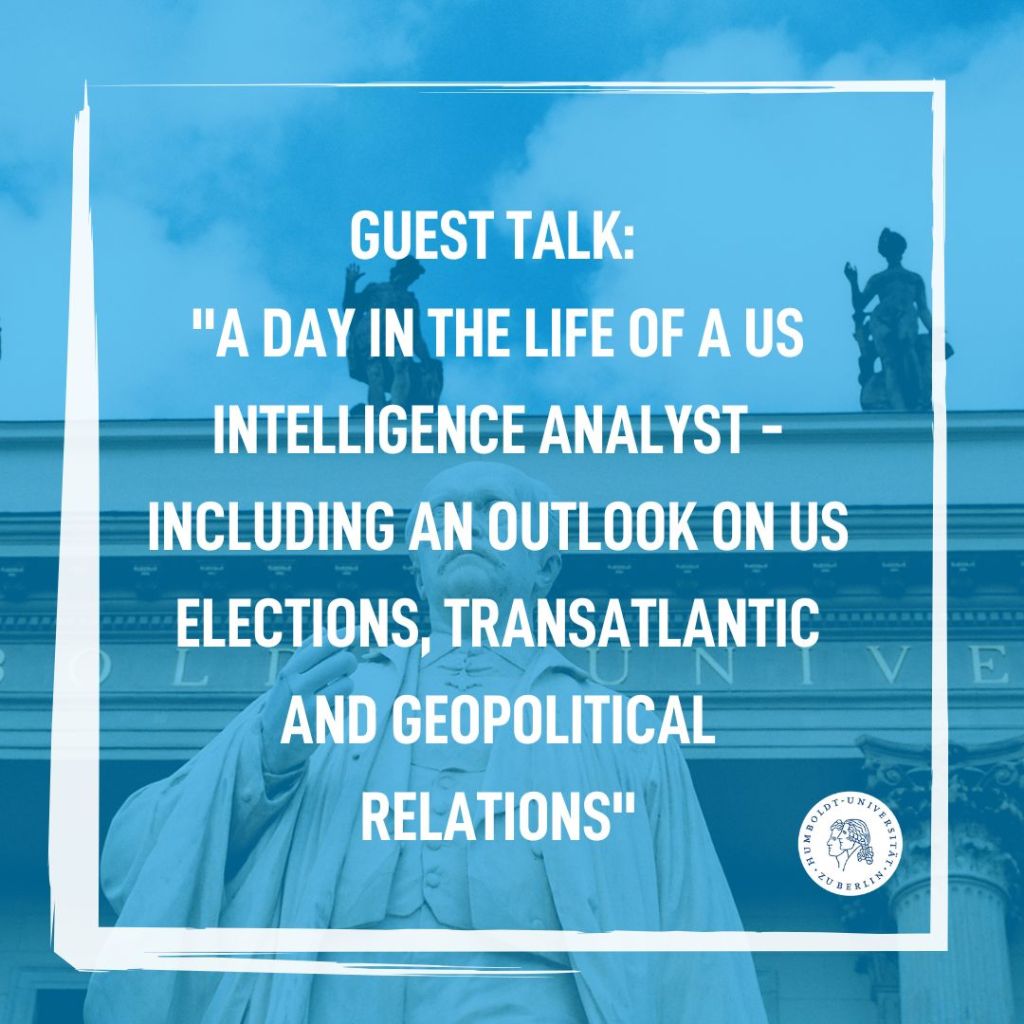
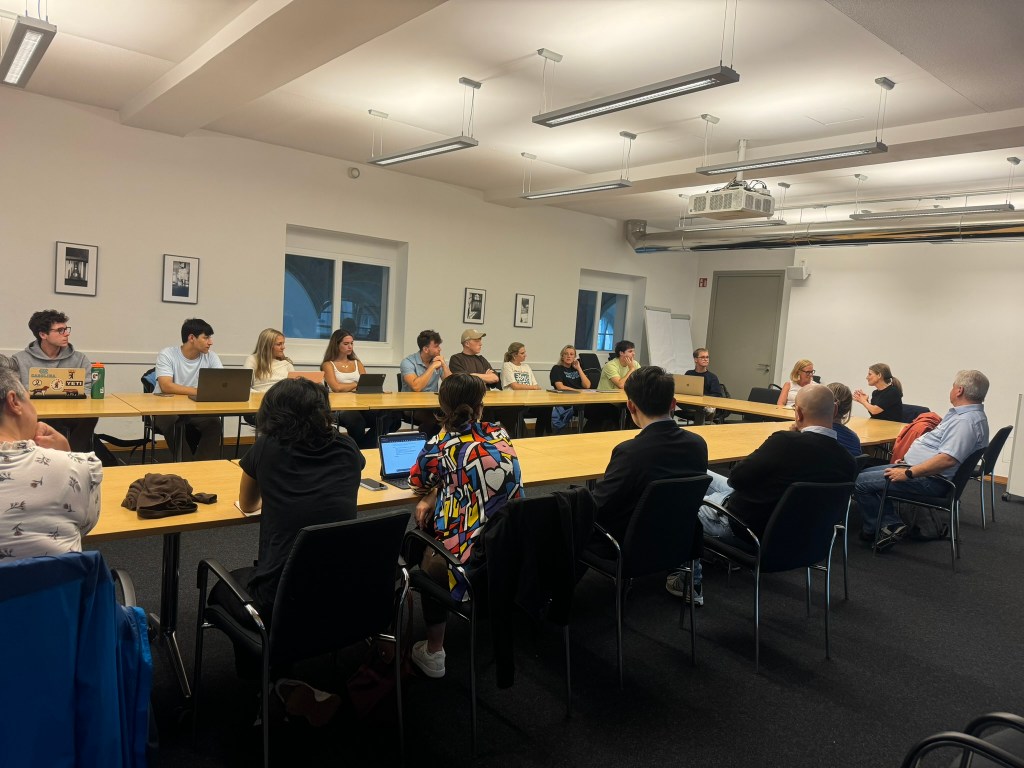
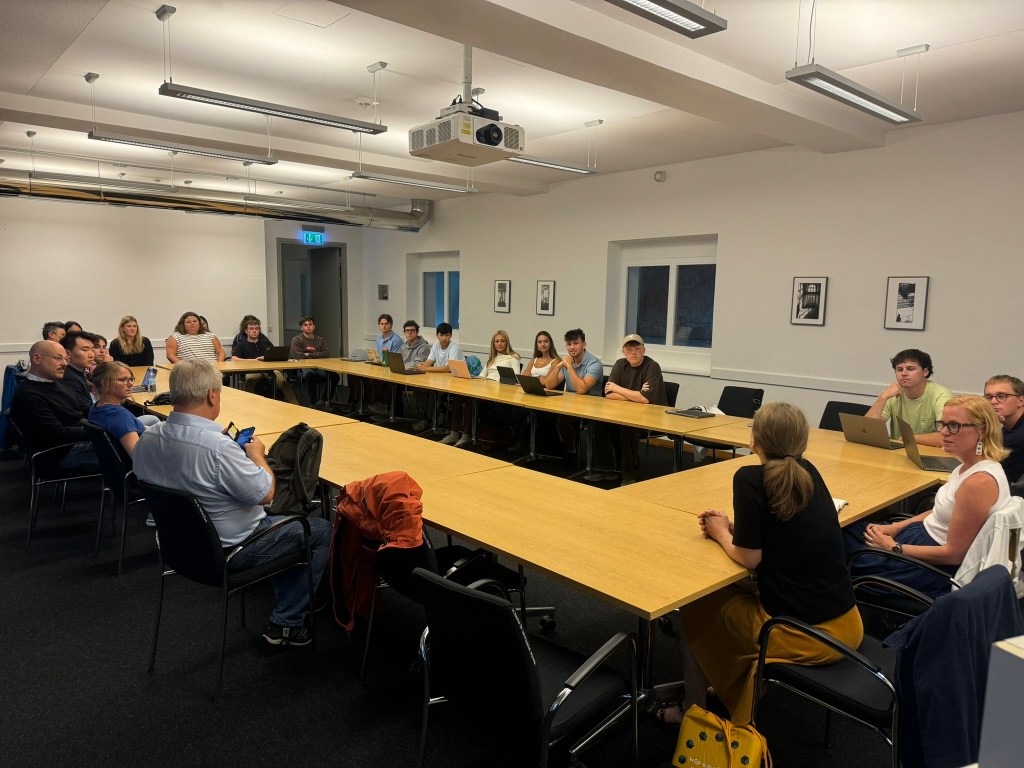
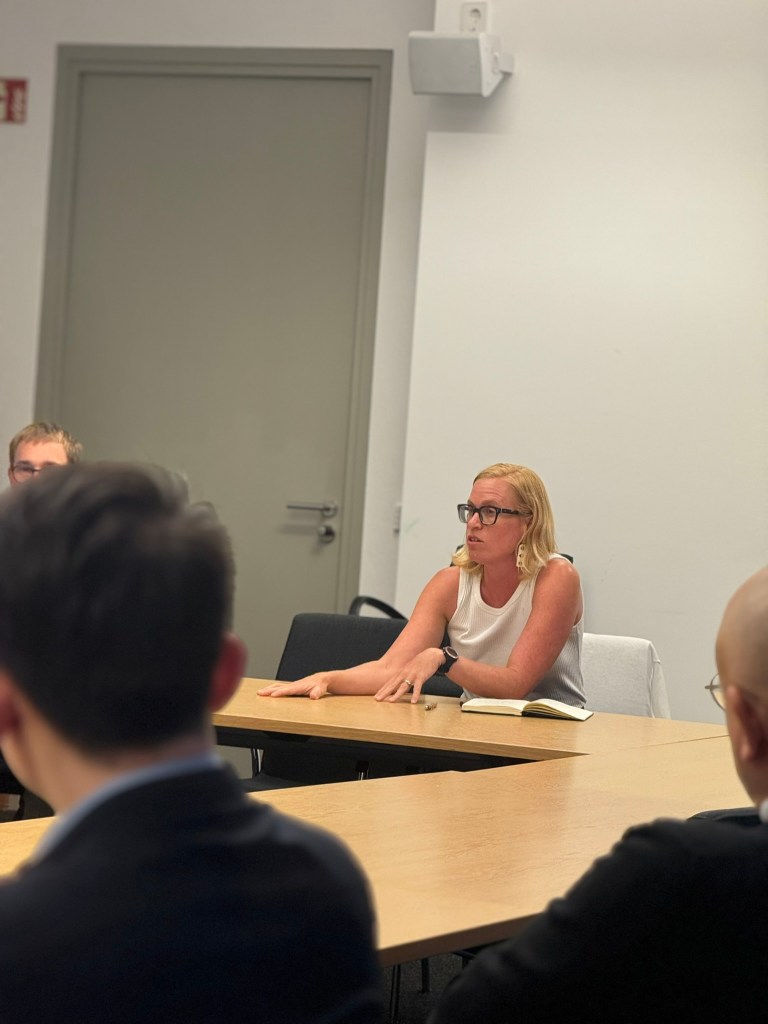
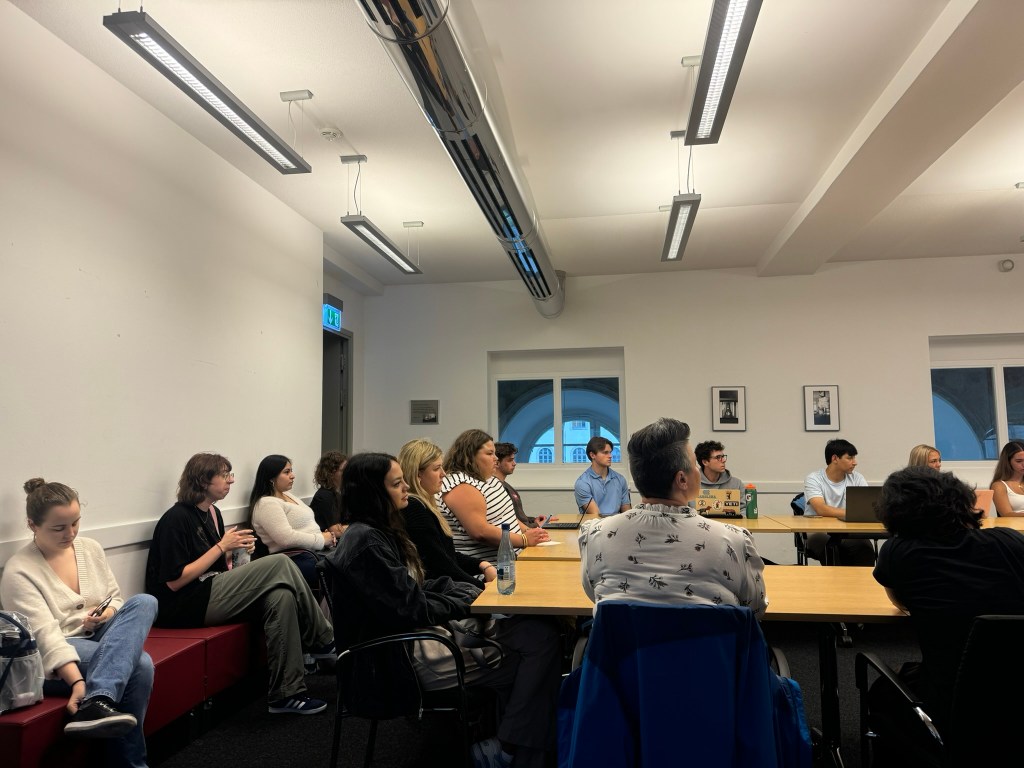

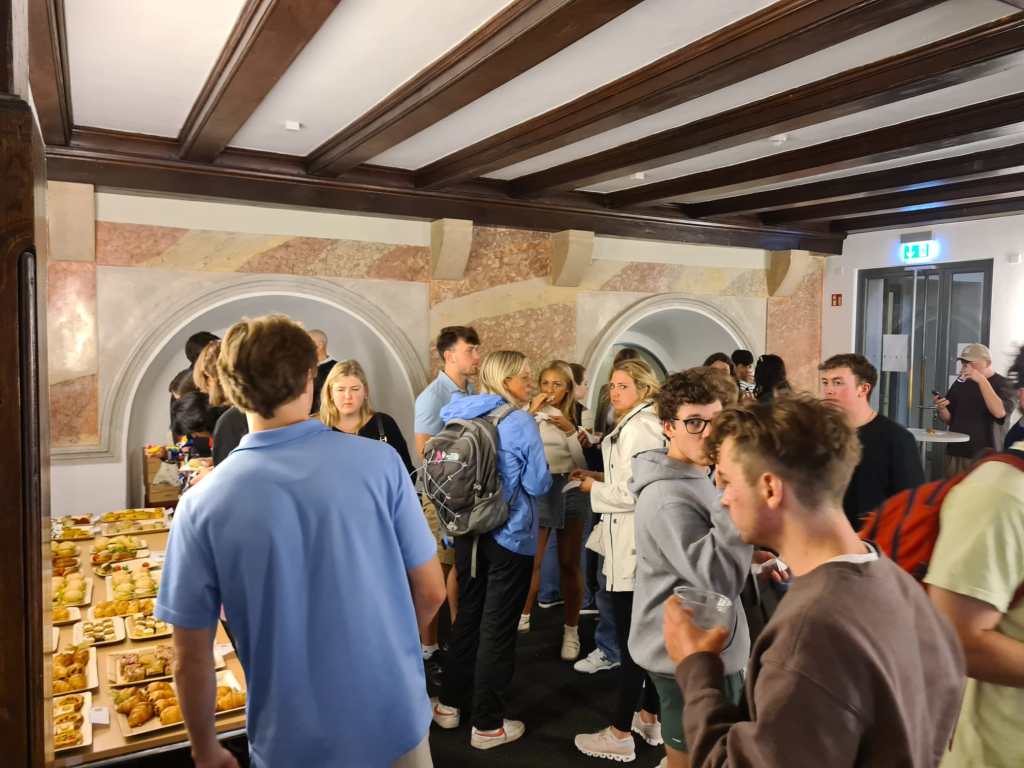
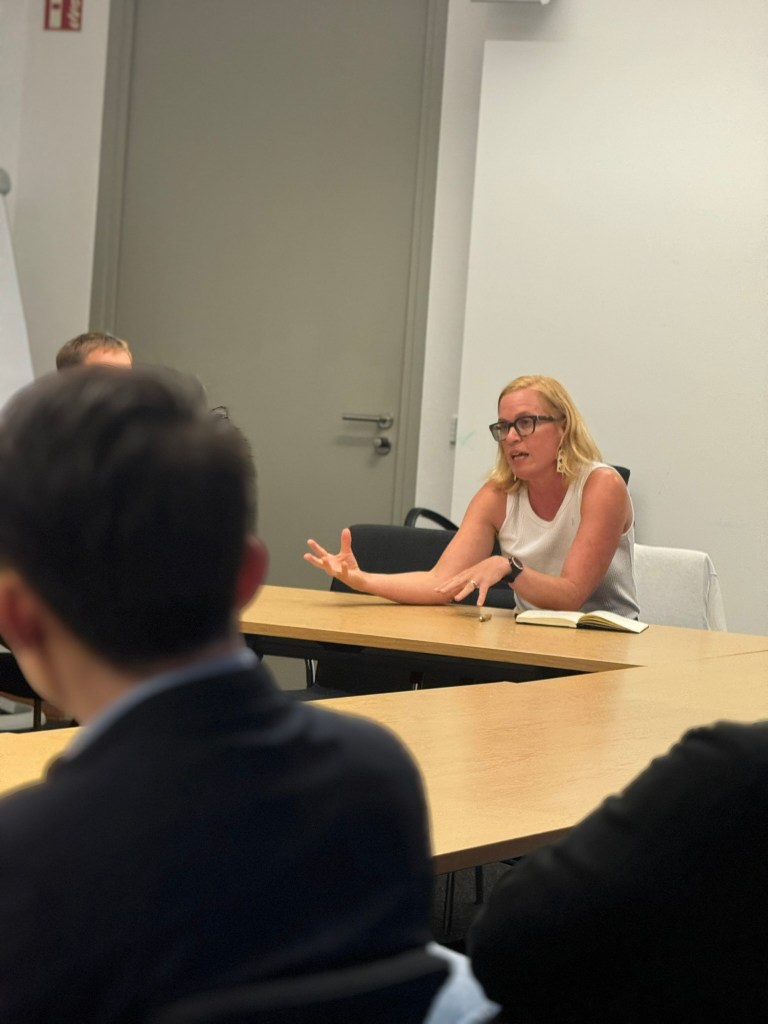
We were thrilled to host an enlightening session with Erinn Whitaker, a distinguished US intelligence analyst from the University of North Carolina at Chapel Hill, for a talk titled “A Day in the Life of a US Intelligence Analyst – Including an Outlook on US Elections, Transatlantic, and Geopolitical Relations.” This engaging event not only offered valuable insights into the world of intelligence analysis but also doubled as a wonderful transatlantic networking opportunity and an end-of-semester celebration for our community.
Erinn Whitaker shared a behind-the-scenes look at the day-to-day activities of intelligence analysts in the US, providing students with a rare glimpse into this vital and often mysterious profession. Her talk was full of engaging details about how analysts process information, navigate complex political landscapes, and provide crucial insights that shape government policies.
The session also included an outlook on the upcoming US elections and how they could influence both transatlantic relations and global geopolitics. As the US election approaches, these discussions are especially timely, considering the impact they may have on the political climate in Europe and beyond.
The event was further enriched by lively discussions between Erinn Whitaker, Claudia Matthes, Ingo Peters, and our students. The interactive nature of the session allowed for a dynamic exchange of ideas, with our students at Humboldt Universität zu Berlin and those from UNC at Chapel Hill sharing their perspectives and engaging with one another across the Atlantic.
We want to extend our heartfelt thanks to Erinn Whitaker for joining us and to everyone who participated in this collaborative event. The exchange of ideas, knowledge, and experiences truly made this a memorable occasion, rounding off the semester with a fantastic opportunity for growth and networking.
Thank you to all who made this event a success!
Guest Lecture by Zarina Burkadze “Opportunities and Challenges for Georgia on the Path of its Euro-Atlantic Integration”
15 May 2024
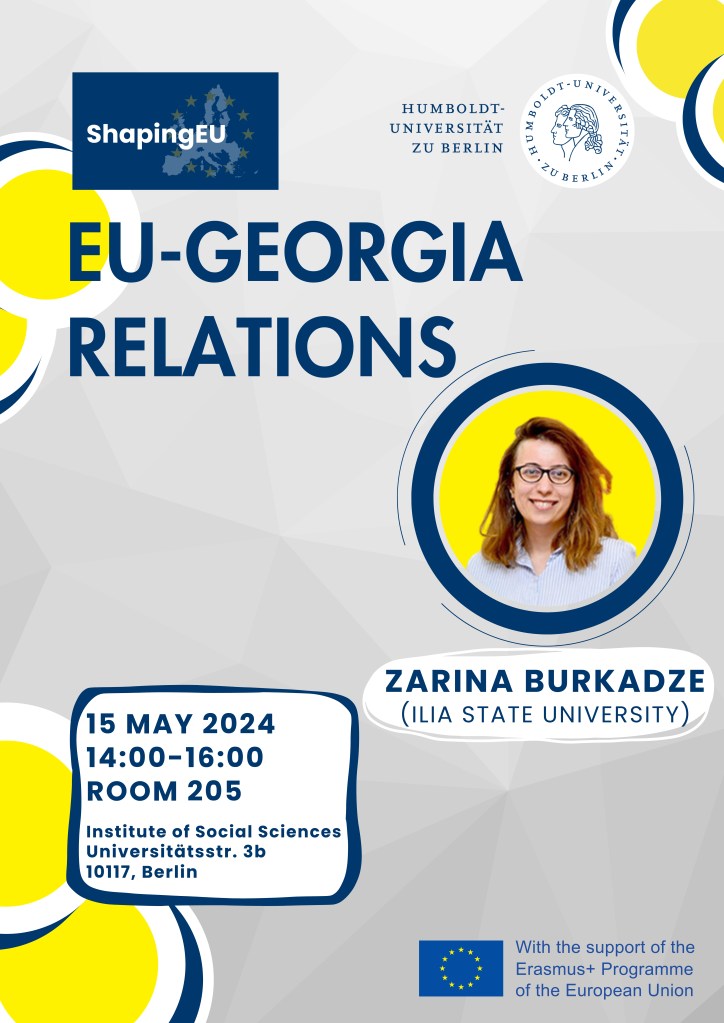
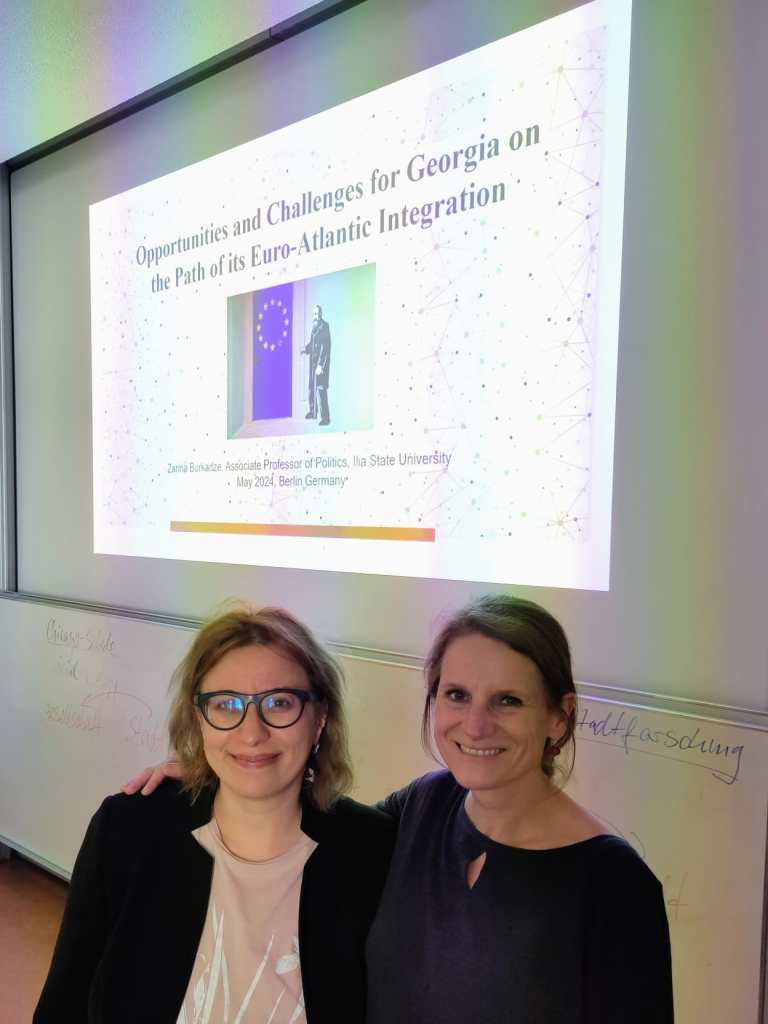
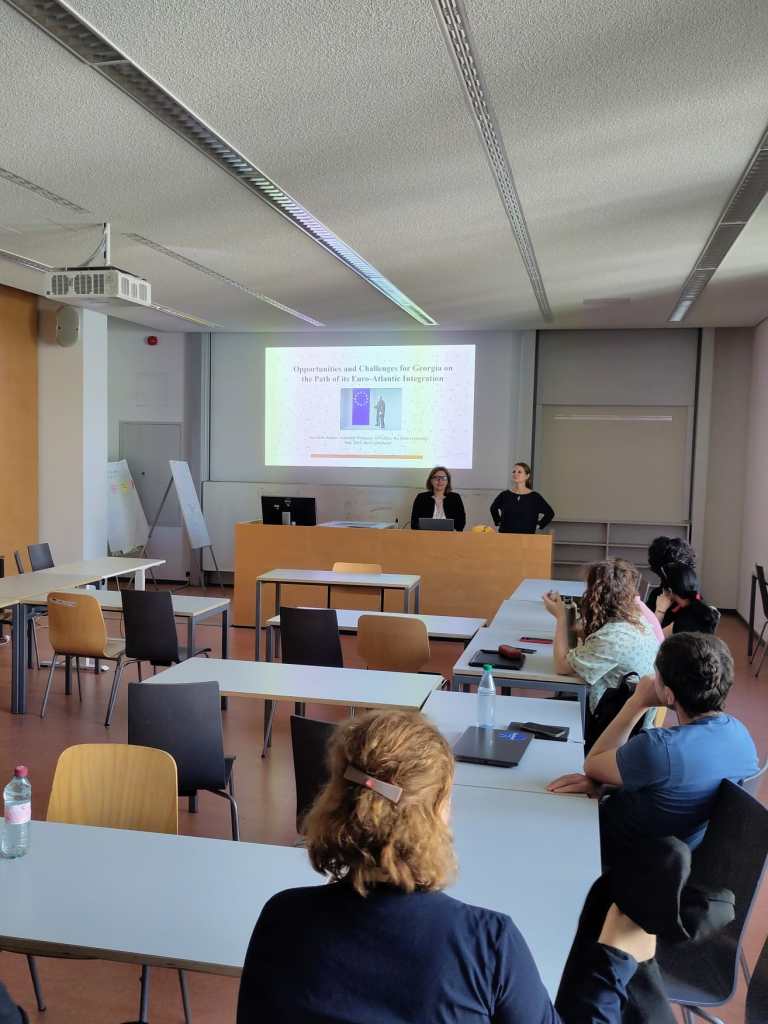
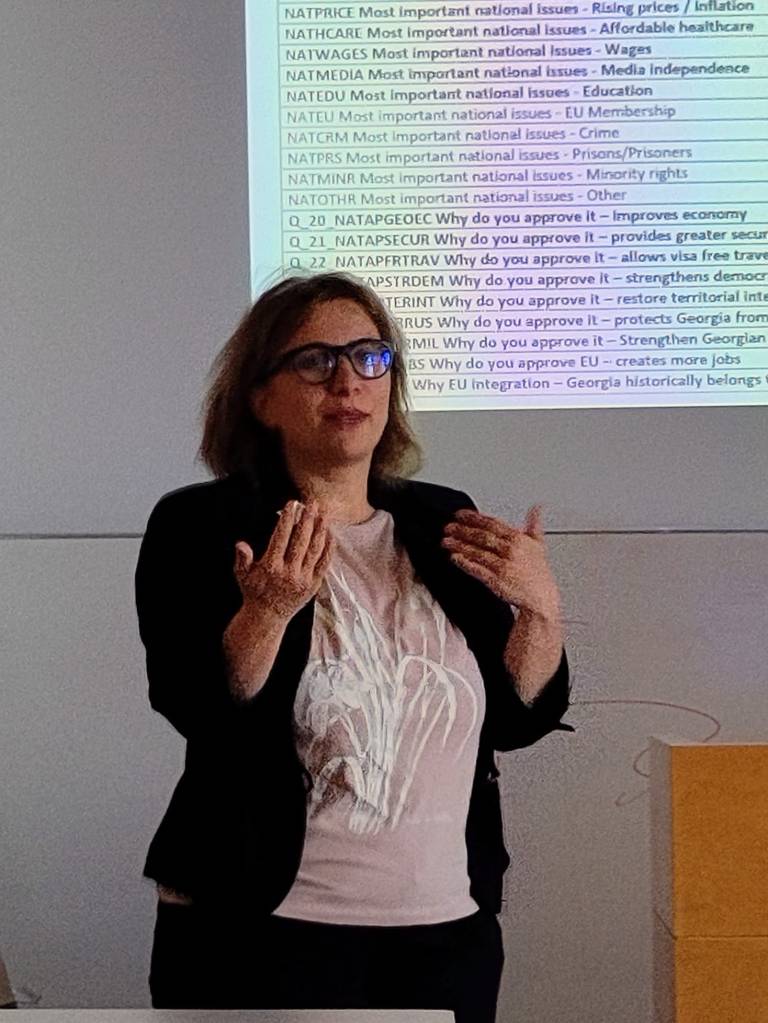
Yesterday’s guest lecture by ShapingEU, brought us invaluable insights from Zarina Burkadze at Ilia State University. Exploring EU-Georgia relations and the challenges along Georgia’s Euro-Atlantic integration journey, Dr. Burkadze’s expertise truly enlightened us. A huge thank you to our colleague for sharing her knowledge, and to our students for their active engagement! 🌍🇪🇺
Guest Lecture by Bálint Magyar and Bálint Madlovics “Ukraine`s Patronal Democracy and the Russian Invasion”
08 May 2024
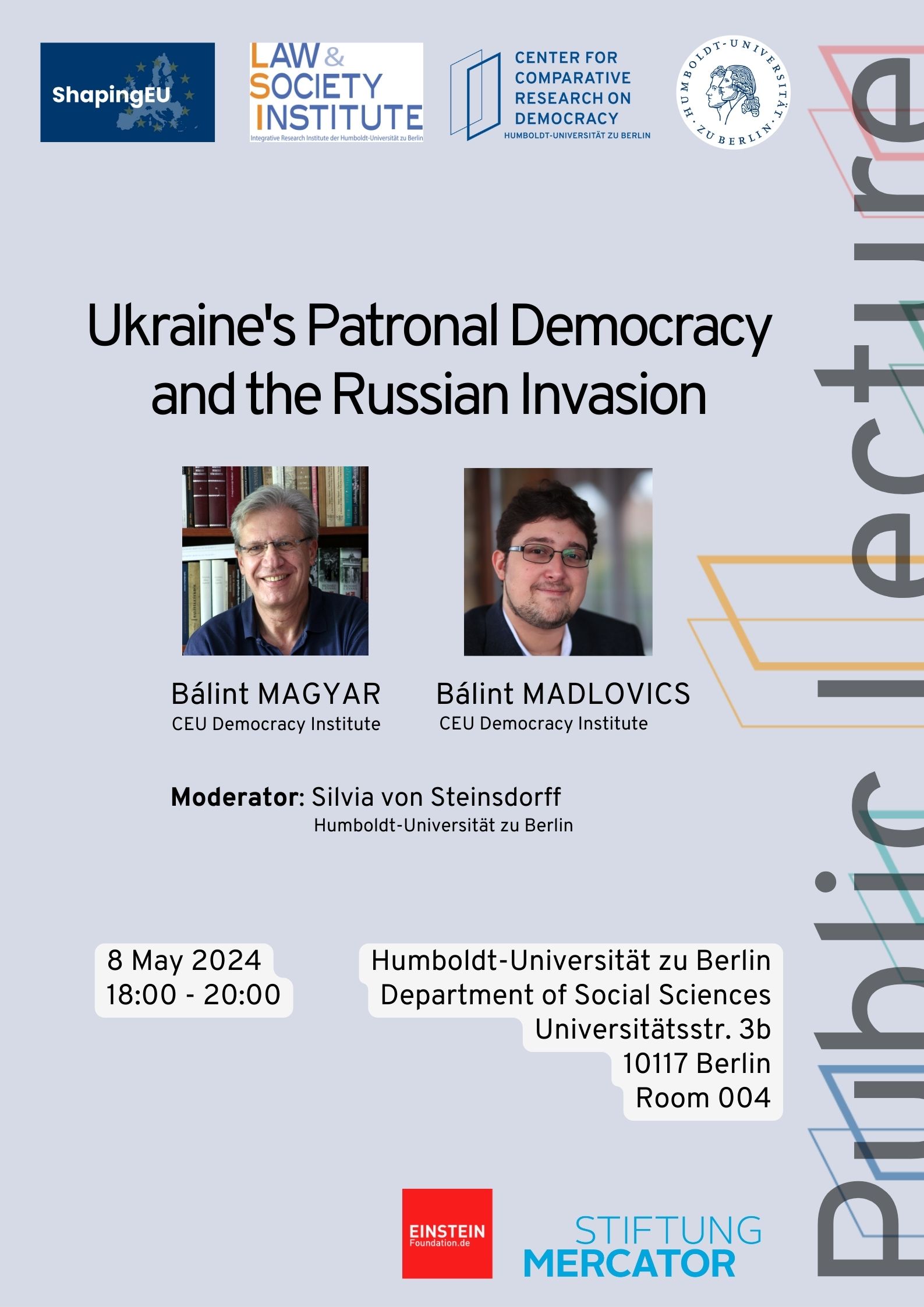
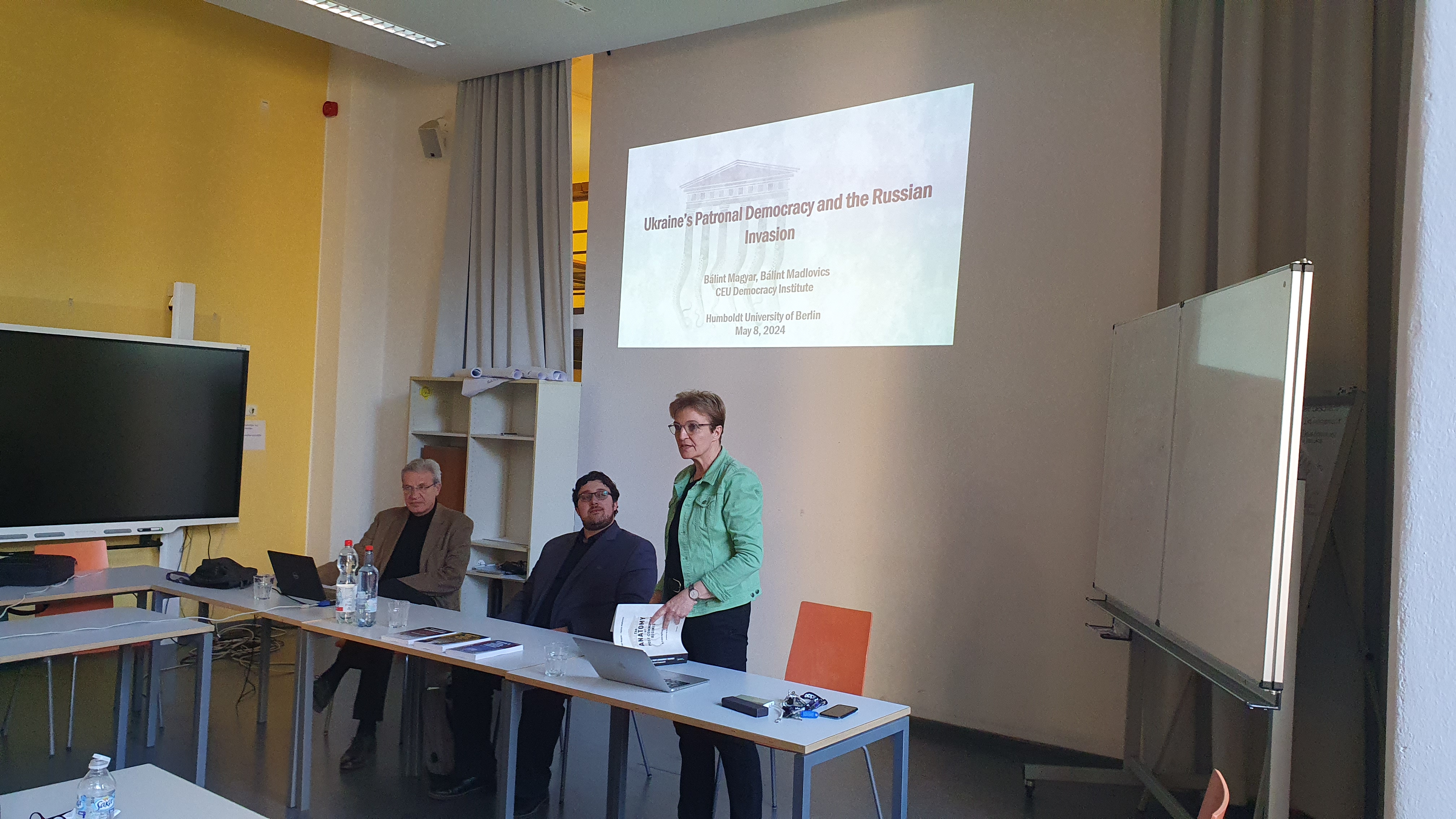
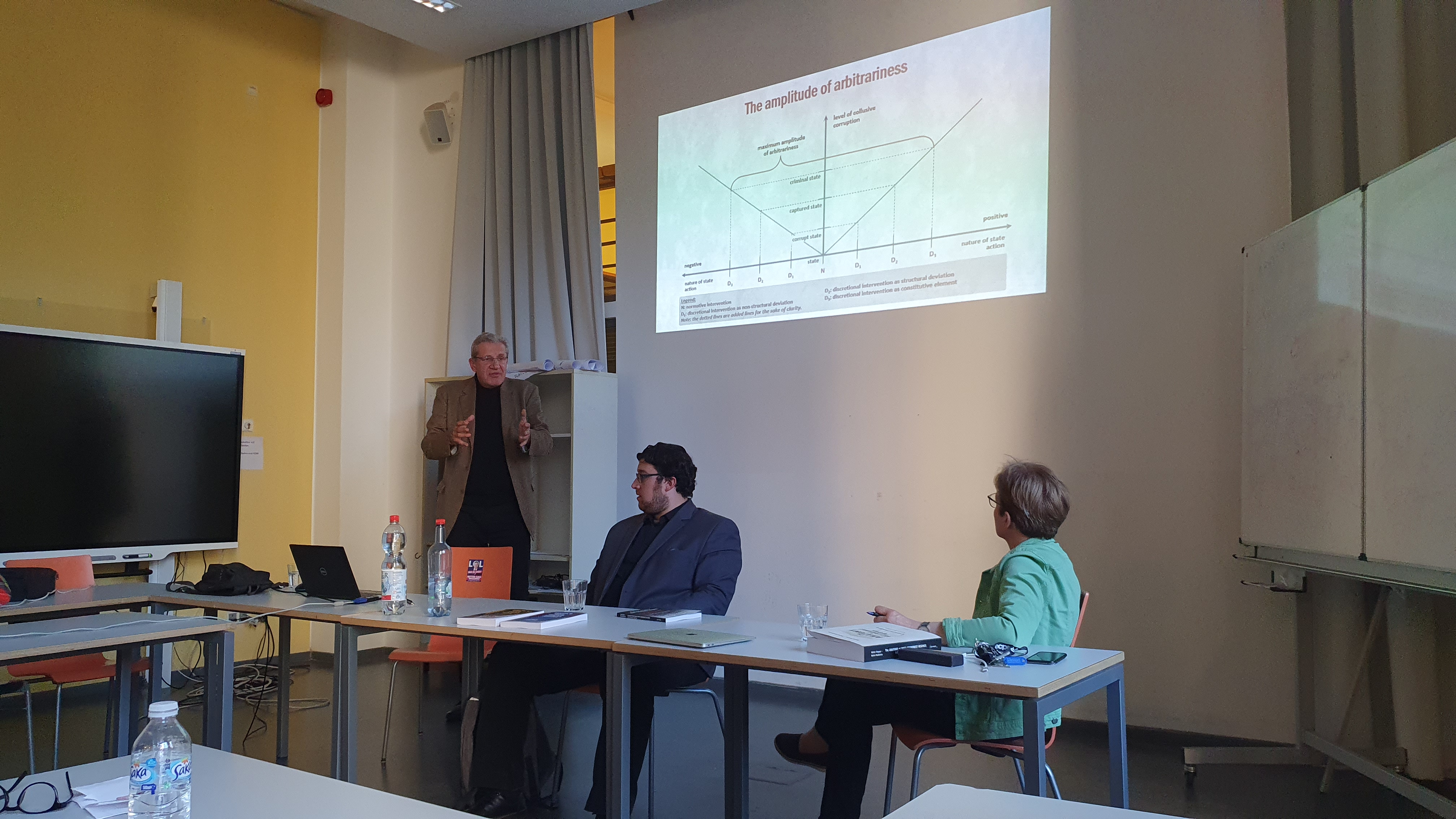
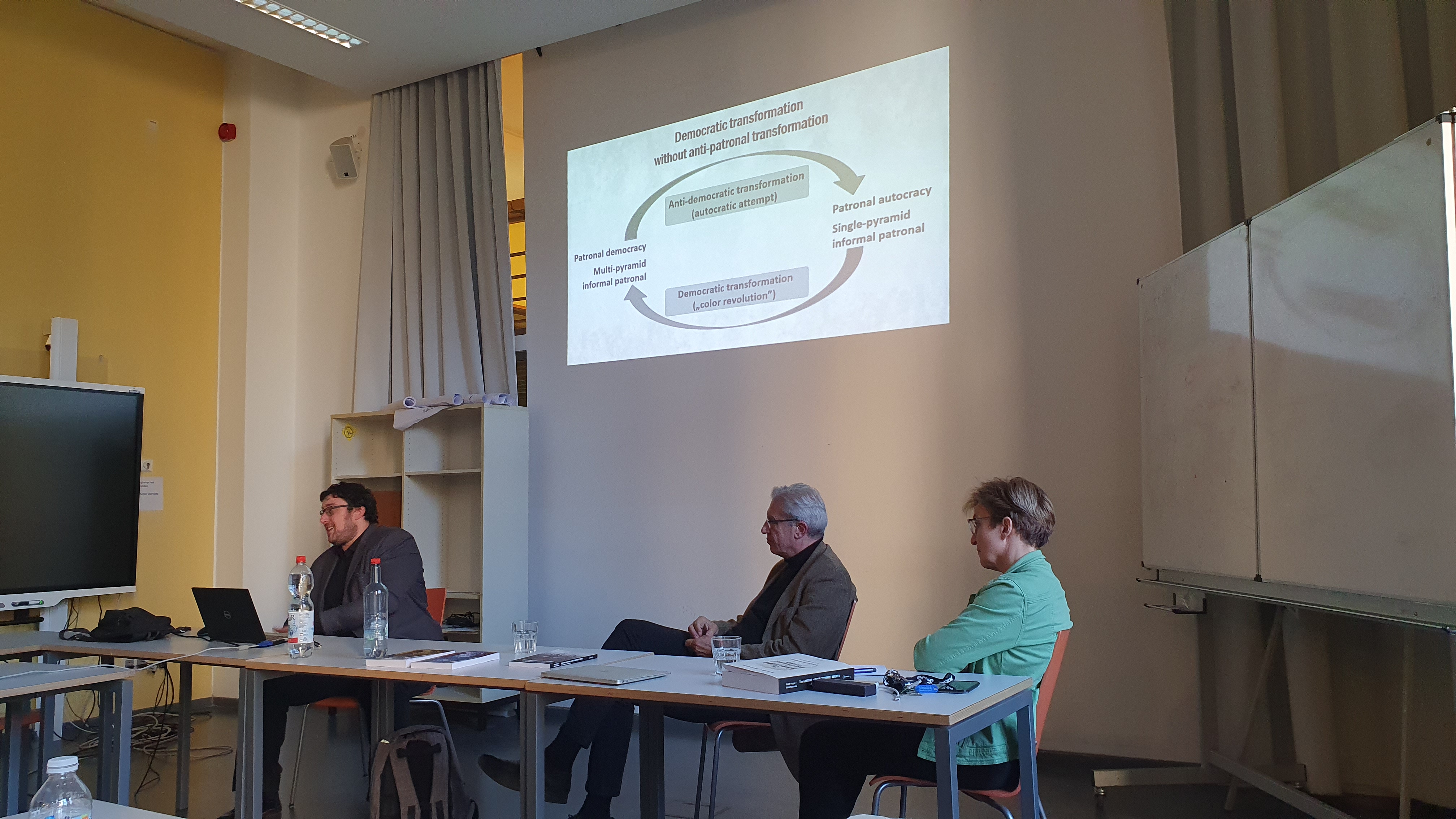
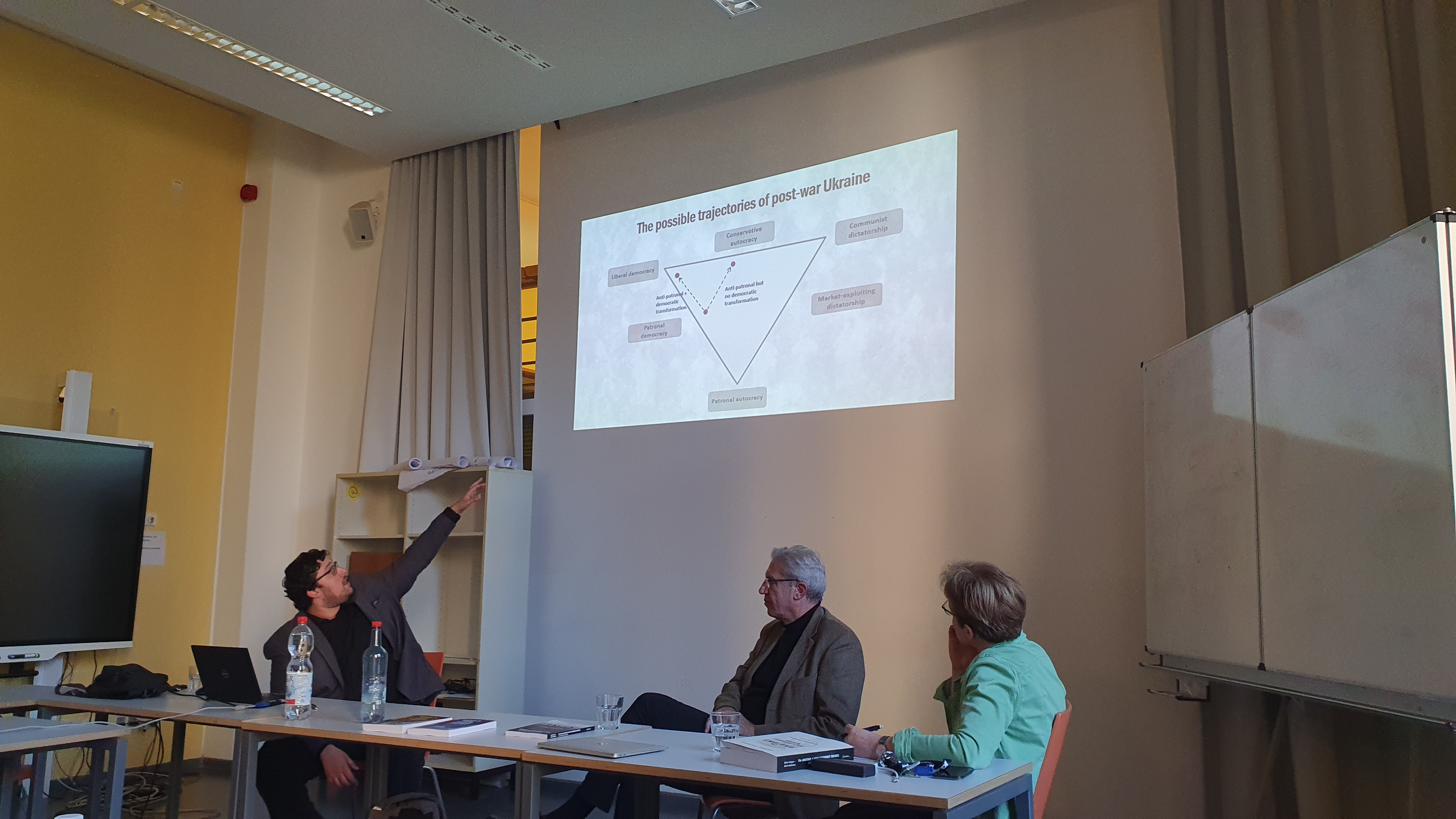
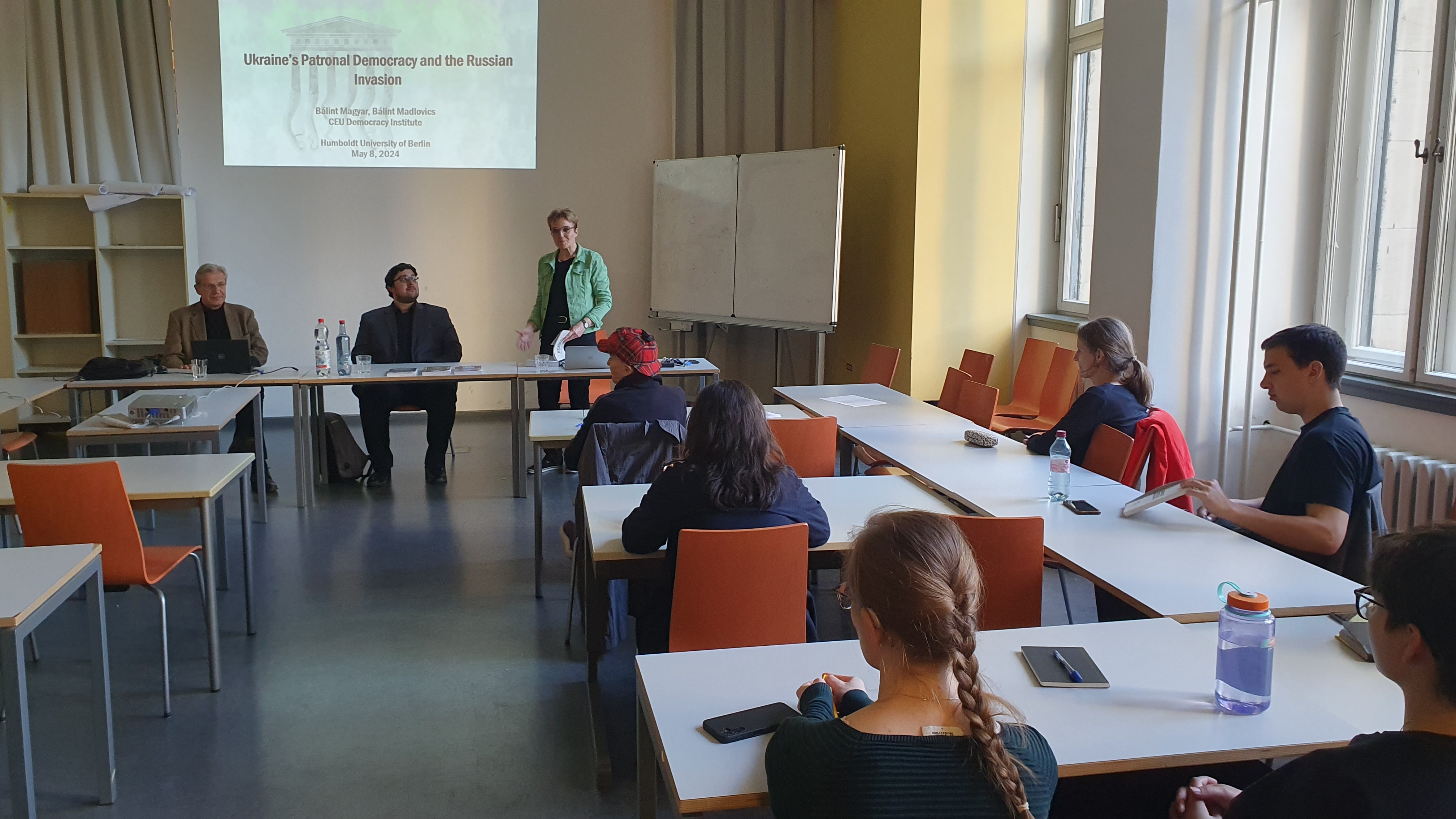
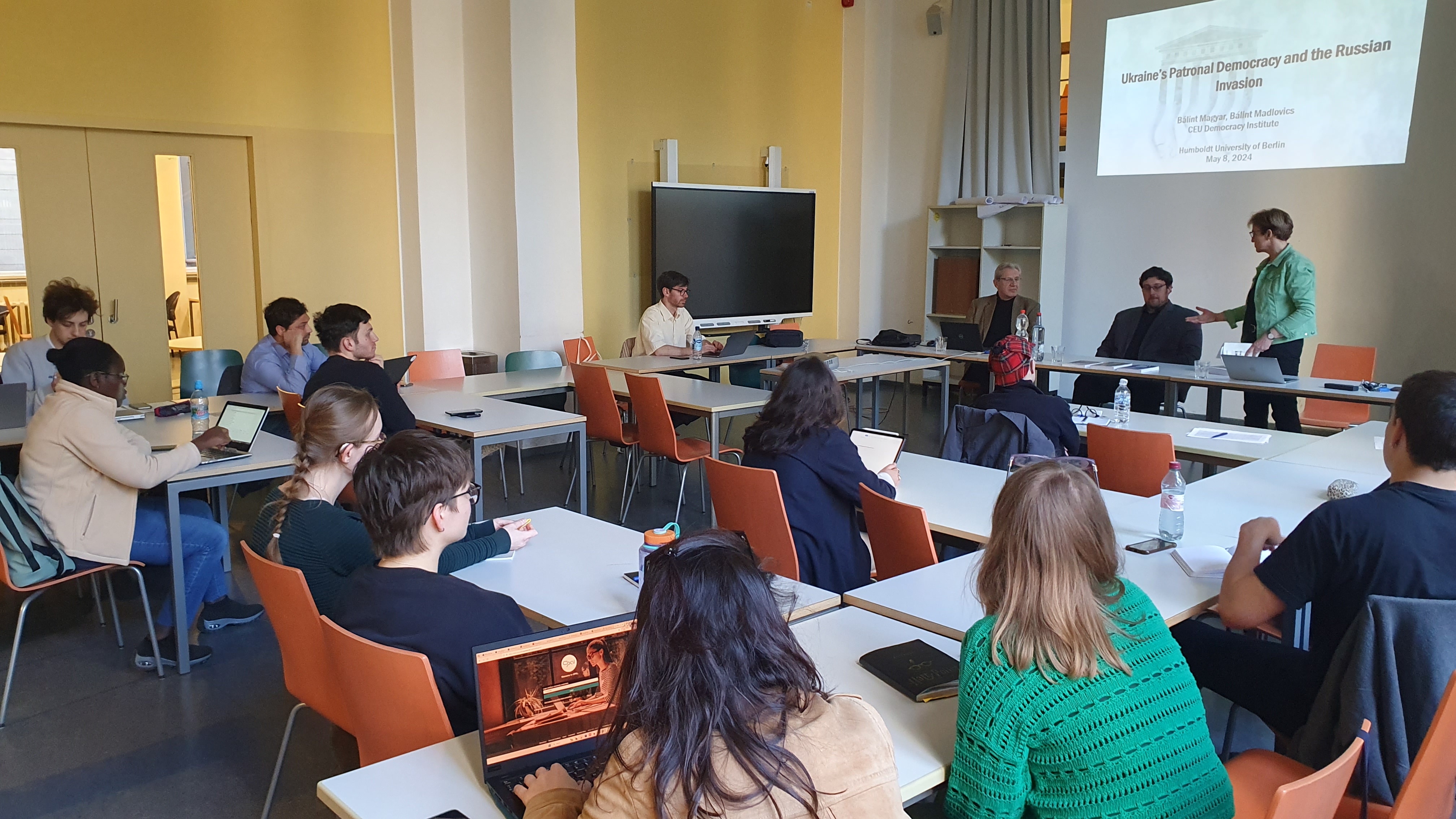
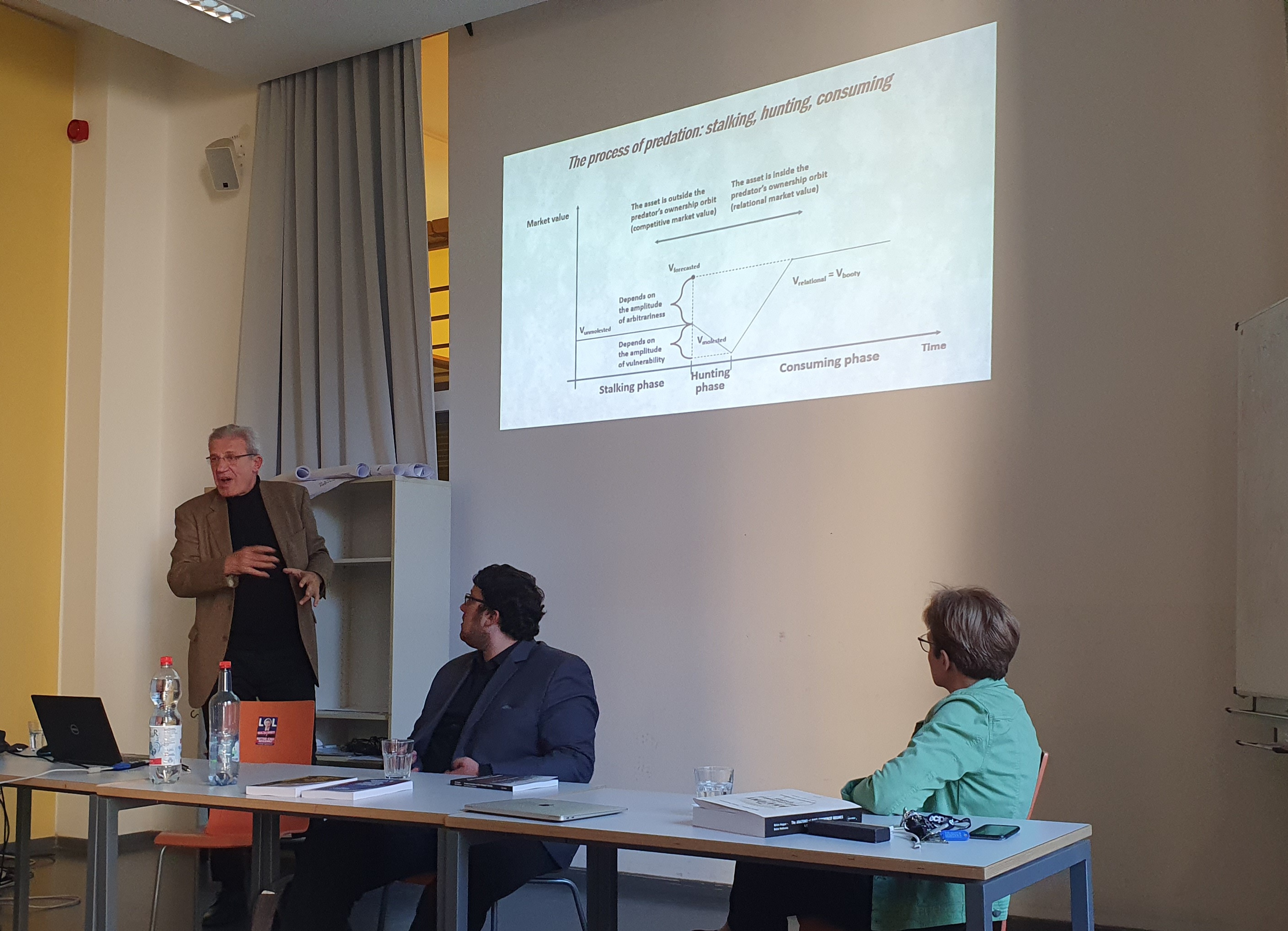
Grateful to everyone who made tonight’s event a success! Bálint Magyar & Bálint Madlovics from CEU Democracy Institute shed light on ‘Ukraine’s Patronal Democracy and the Russian Invasion,’ expertly moderated by Prof. Dr. Silvia von Steinsdorff. Huge thanks to he Center for Comparative Research on Democracy (CCRD) and Integrative Research Institute Law & Society (LSI) for the collaboration. Stay tuned for more enlightening talks! And a special shoutout to our amazing students for their support.
Guest Lecture by Prof. Dr. Dan Banik “State Legitimacy and Governance in Low-Income Countries”
29 April 2024
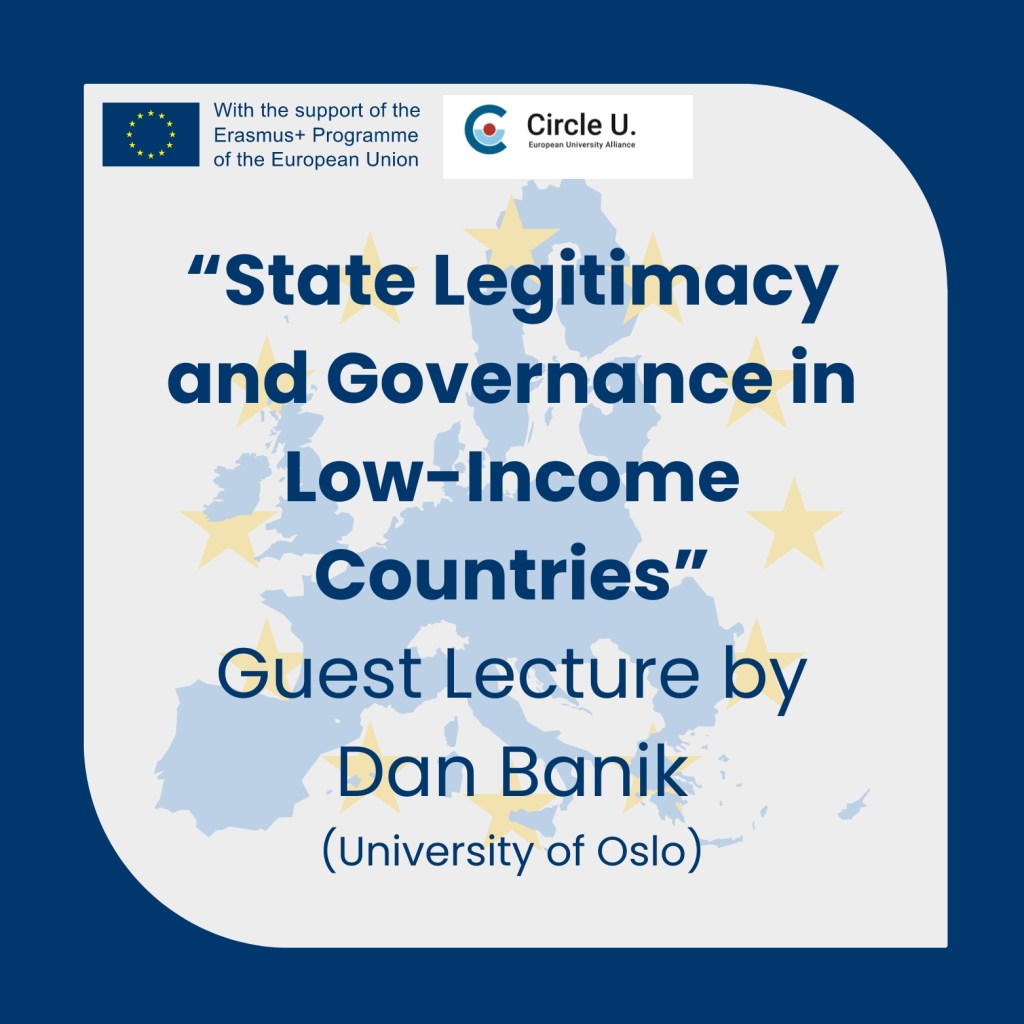
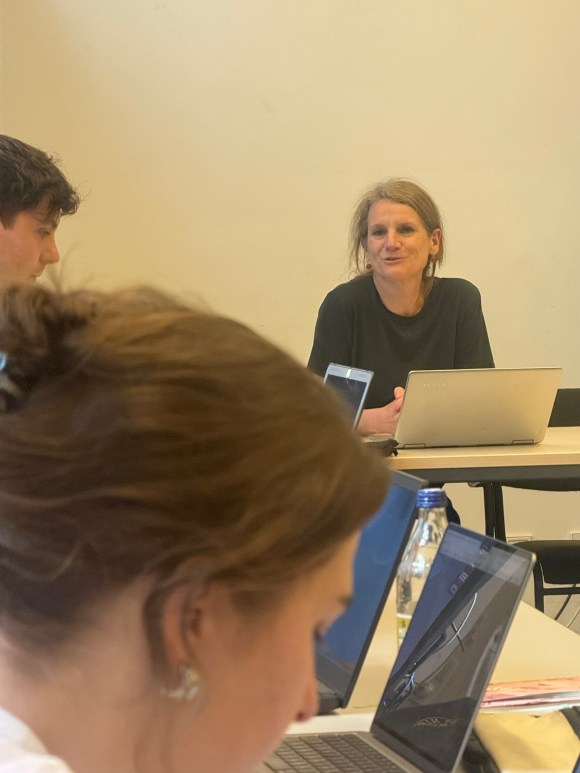
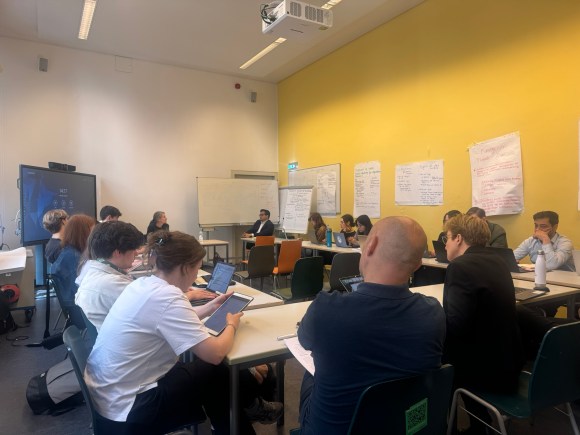
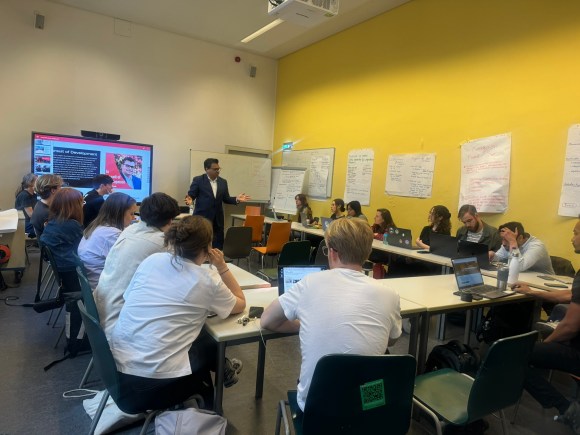
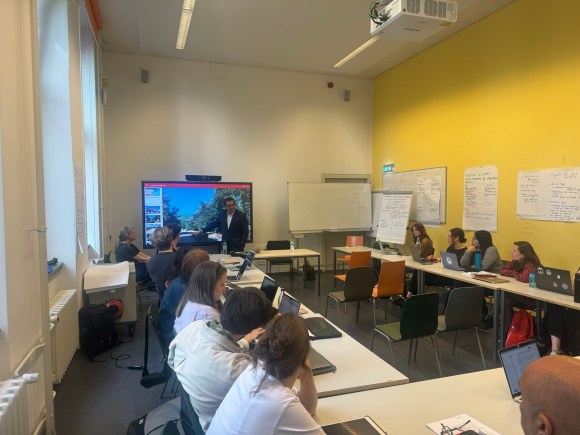
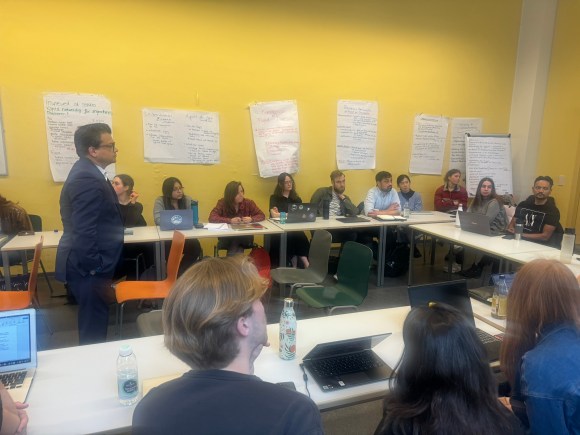
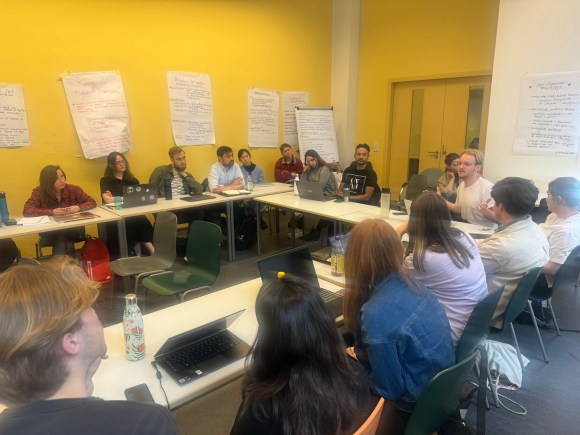
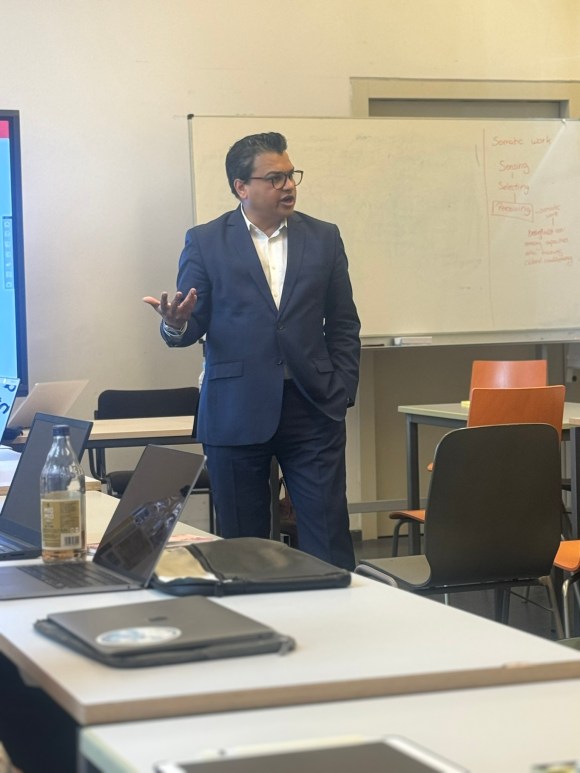
We’re thrilled to share that Professor Dan Banik from the University of Oslo recently delivered a captivating talk on “State Legitimacy and Governance in Low-Income Countries.” Professor Banik, who is renowned for his expertise in development and governance studies, provided valuable insights into this crucial topic.
Professor Banik, in addition to his academic contributions, also hosts the thought-provoking podcast titled “In Pursuit of Development.” This podcast serves as a platform for exploring diverse perspectives on development issues, enriching our understanding of global challenges and solutions.
During his talk, Dan Banik delved into the enduring discourse surrounding the role and impact of the state in development, shedding light on various governance approaches undertaken by states in low-income countries. In particular, he reexamined the notion of state legitimacy in light of factors such as state scope, capacity, and resilience.
One compelling case study explored during the talk was the establishment of permanent and ad-hoc roadblocks by the police in Malawi to regulate traffic and combat crime. Through this lens, Banik examined the perceived legitimacy of the Malawian state among the general public.
The discussion, enriched by Professor Banik’s depth of knowledge and engaging delivery, sparked profound engagement from our students, fostering insightful discussions and prompting critical reflections on the complexities of governance and legitimacy in the pursuit of development in diverse contexts
We extend our sincere gratitude to Professor Dan Banik for his enlightening contribution to our academic community and look forward to continued collaboration and exploration of development issues through platforms like “In Pursuit of Development.”
Guest Lecture by Dr. Ronja Kempin, “Reordering European Security”
08 April 2024
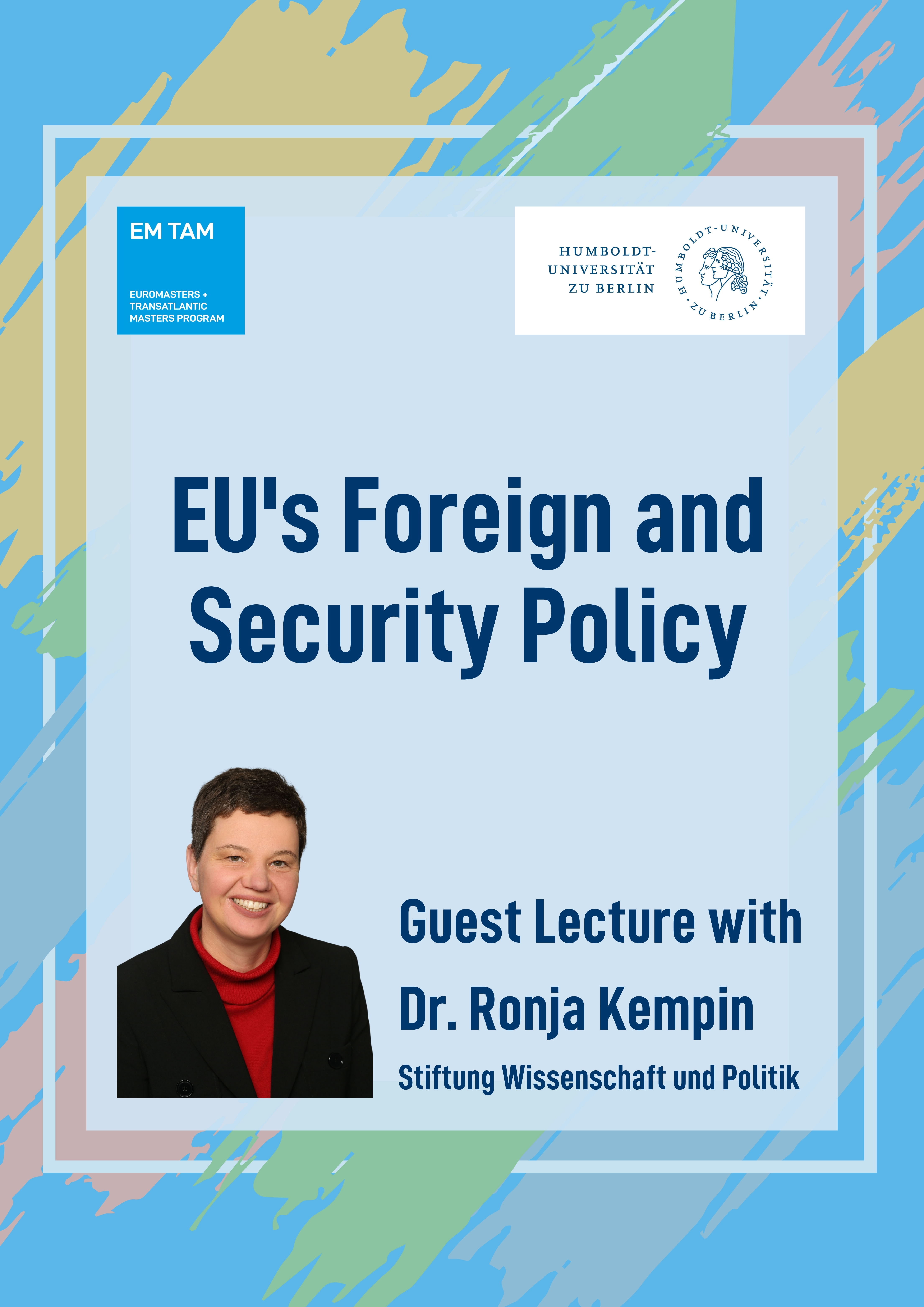
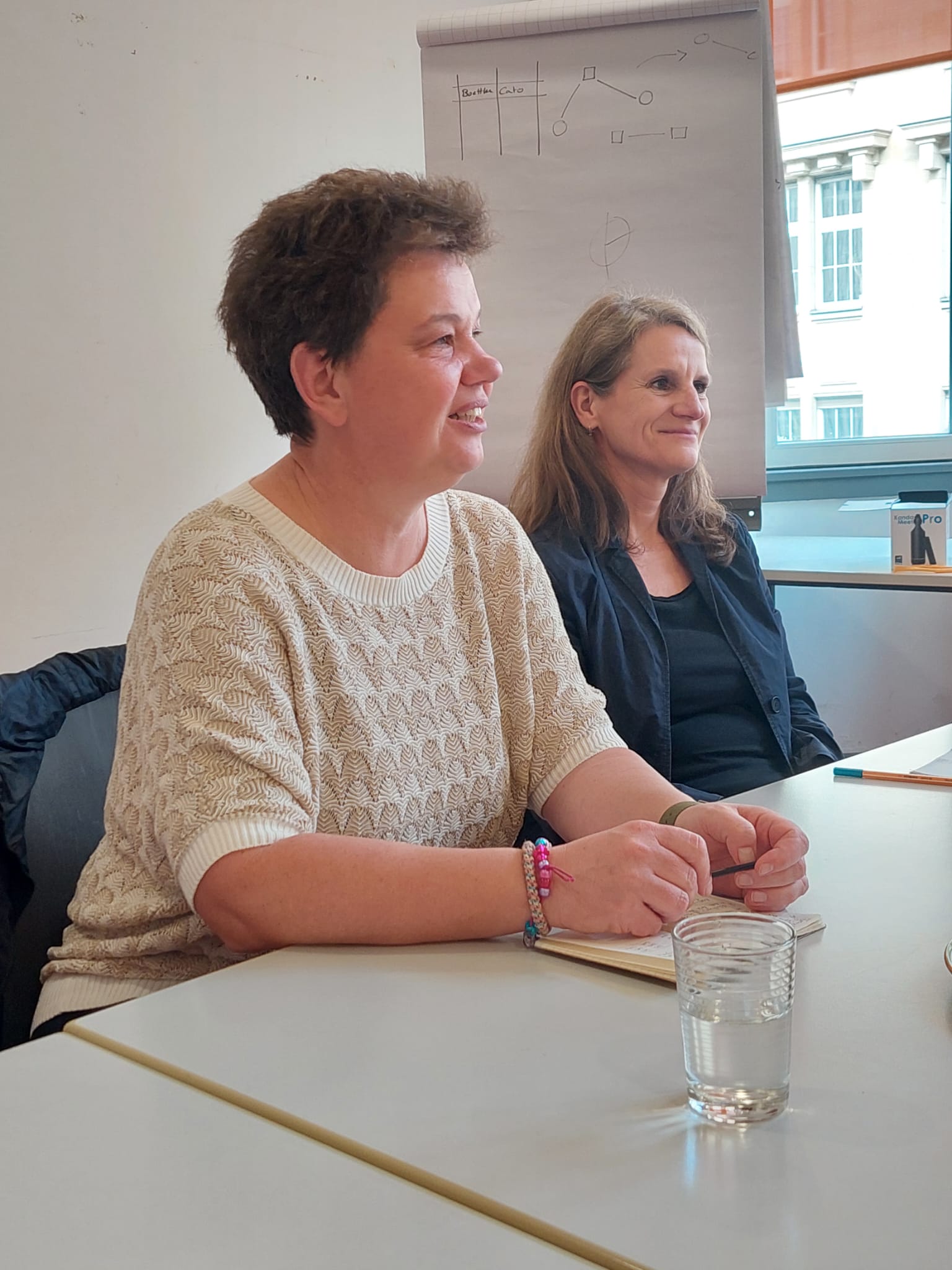
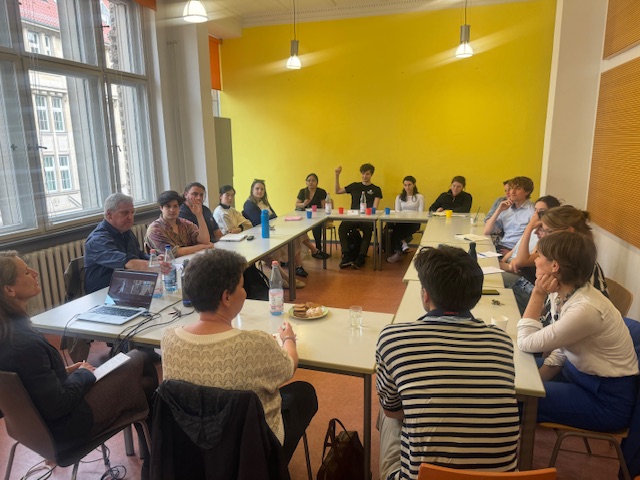
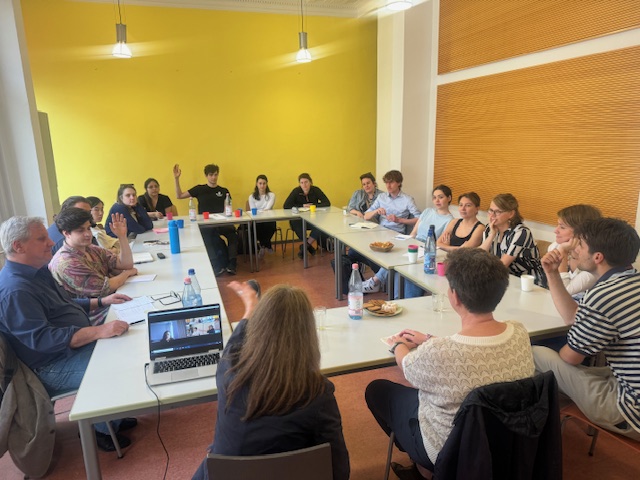
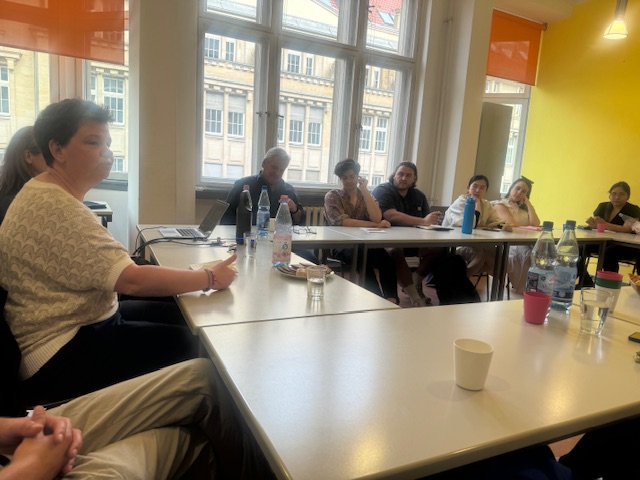
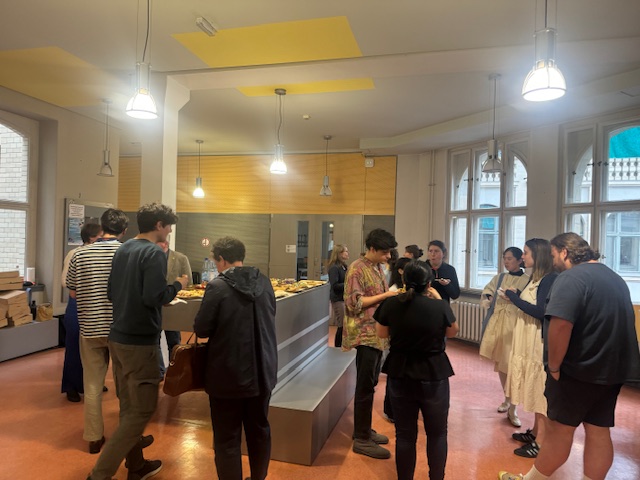
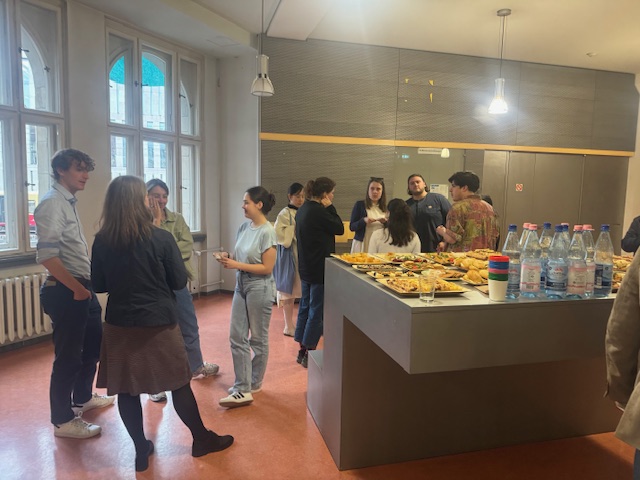
We are delighted to share highlights from a recent event within ShapingEU, where we had the privilege of hosting Dr. Ronja Kempin from Stiftung Wissenschaft und Politik for an enlightening guest lecture. Dr. Kempin’s expertise in European security and defense policy illuminated the discussion on ‘Reordering European Security’.
During her presentation, Dr. Kempin provided invaluable insights into Europe’s foreign and security dynamics, with a special focus on recent developments following Russia’s invasion of Ukraine. Her analysis of the evolving EU policies offered essential context and understanding, enriching our perspective on the subject matter.
Following the lecture, engaging discussions ensued among our students and alumni, delving deeper into the implications of Dr. Kempin’s insights. These post-talk exchanges provided an opportunity for thought-provoking dialogue and knowledge-sharing.
We extend our heartfelt gratitude to Dr. Ronja Kempin for her informative contribution and to all participants who engaged in this enlightening dialogue. Stay tuned for more enriching events within ShapingEU!
Ronja Kempin’s research focuses on European security and defence policy issues, in particular the EU’s Common Security and Defence Policy (CSDP) as well as France and Franco-German relations.
Guest Lecture by Prof. Dr. Özgür Ünal Eriş, “How will the ‘Zeitenwende’ affect Germany’s role in the world and its relationship with Türkiye?”
11 January 2024
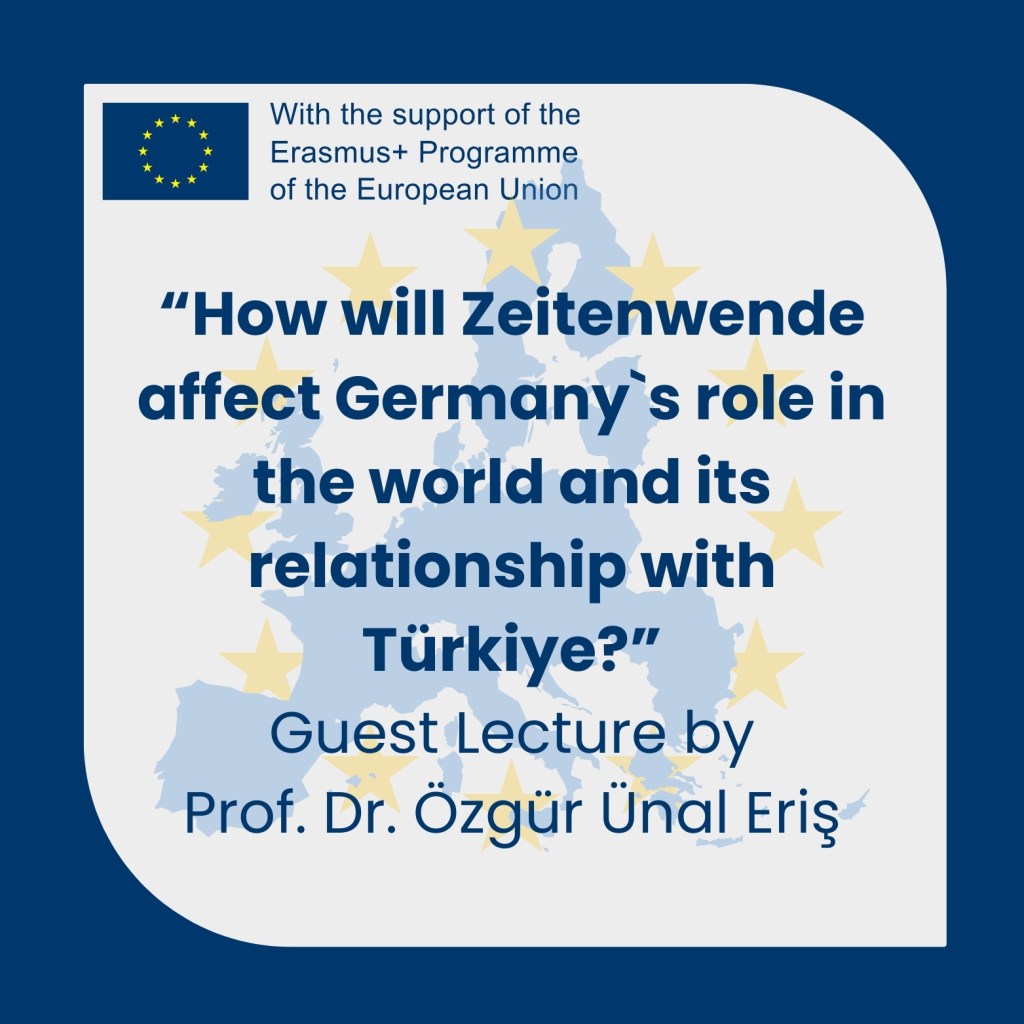

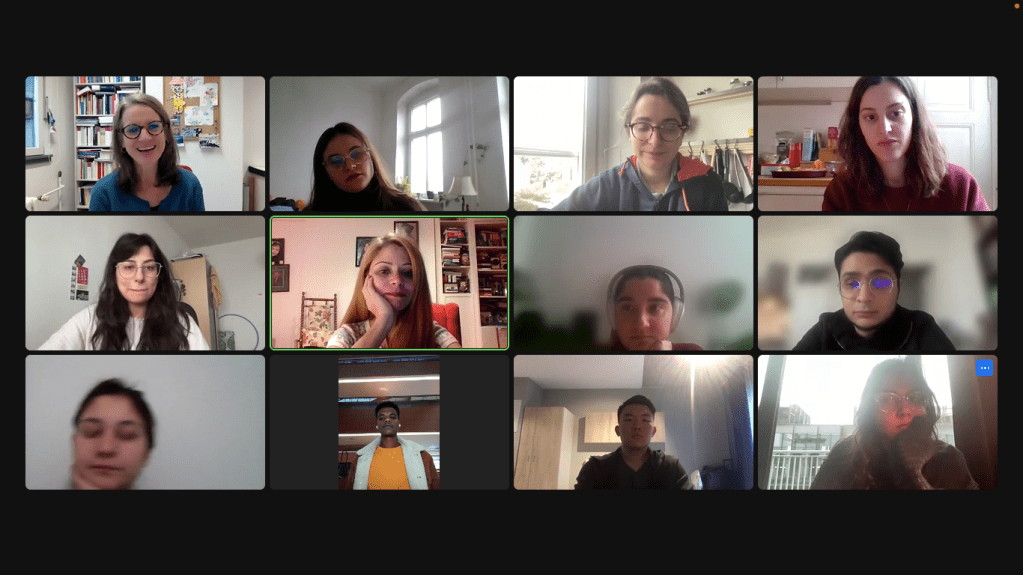
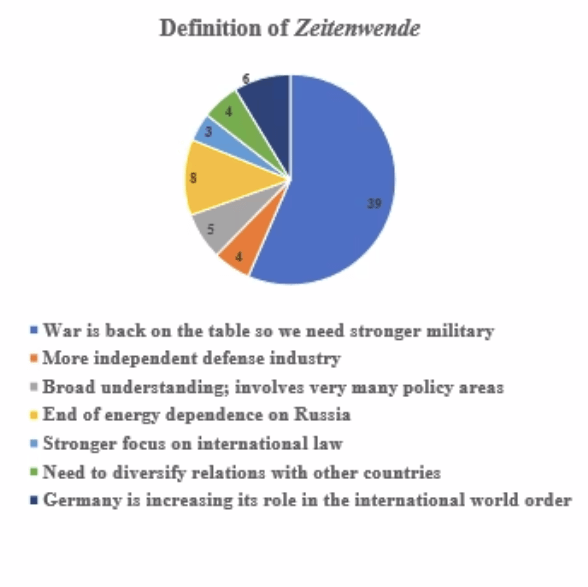
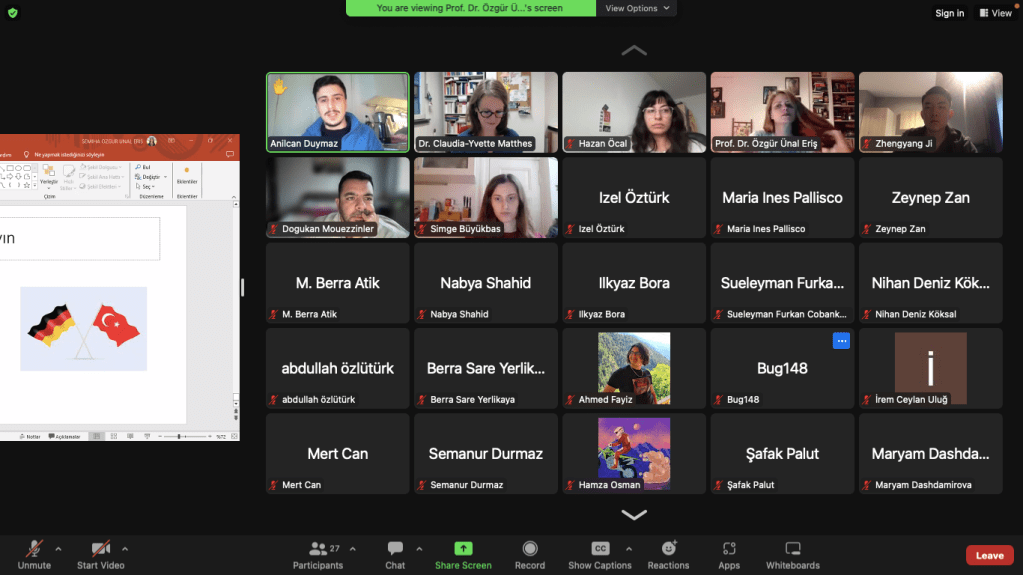
Within ShapingEU, we had the privilege of hosting a guest lecture titled “How will the ‘Zeitenwende’ affect Germany’s role in the world and its relationship with Türkiye?” presented by Prof. Dr. Özgür Ünal Eriş in the course “Germany – a Federal System in Europe” taught by Dr. Matthes. The event brought together students from both Humboldt-Universität zu Berlin and Istanbul 29 Mayis University, providing them with an invaluable opportunity to engage in collaborative learning.
Following the enlightening presentation about German politicians’ various notions of this term and the resulting political demands, students engaged in a fruitful question-and-answer session, further enhancing their understanding of the complex dynamics shaping Germany’s global role and its intricate relationship with Türkiye.
Prof. Ünal Eriş, who teaches at Istanbul 29 Mayis University and specializes in soft security threats and European Union. Her expertise includes topics such as illegal migration and Türkiye’s role as a transit route between Europe and the Middle East, conflict resolution strategies with a focus on the EU as a conflict manager, European Neighbourhood Policy, external relations of the EU, politics of oil and energy security, and Türkiye-EU relations. Additionally, she explores the impact of the EU on the democratization of Türkiye and German politics. Prof. Ünal Eriş also holds the prestigious Jean Monnet Chair on EU Awareness, Relations, and Cooperation.
 ShapingEU